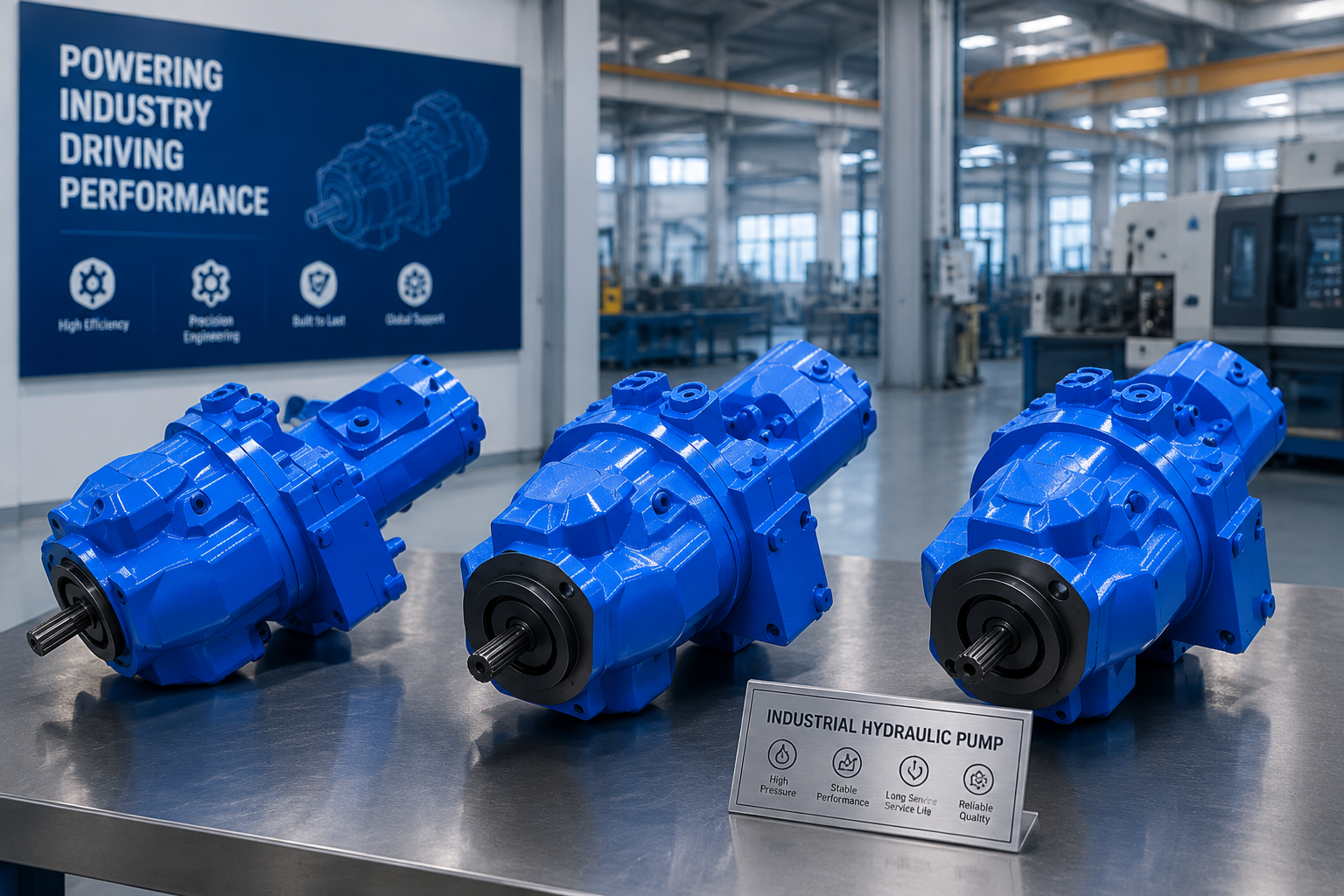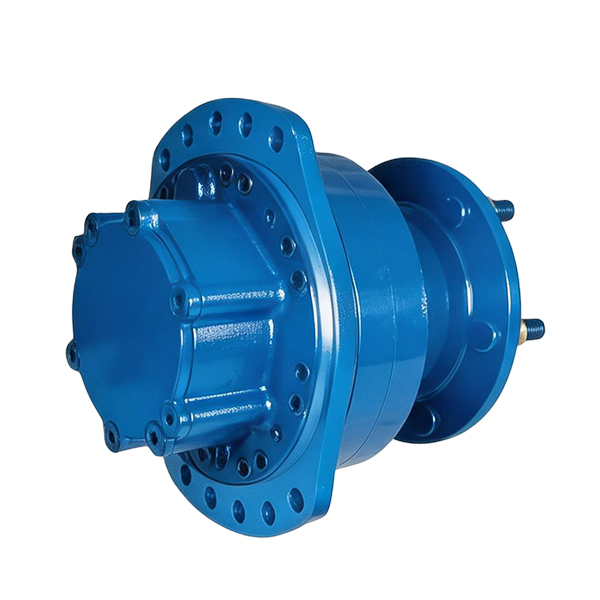



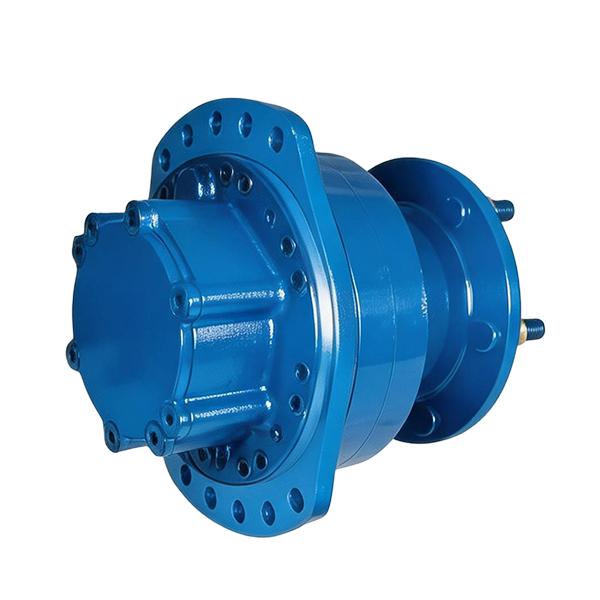
Matching radial piston hydraulic motor displacement torque is the critical factor for heavy machinery. Many equipment failures originate from incorrect parameter sizing. These failures include weak travel power, sluggish swing rotation, and early component breakdown. Incorrect sizing causes downtime and destroys hydraulic pumps.
This hydraulic motor sizing guide explains the math simply. We teach you how to calculate hydraulic motor torque accurately. You will learn to select parameters based on actual working conditions. We also present a full range hydraulic travel motor solution. This guide helps managers avoid mistakes and find replacements easily.
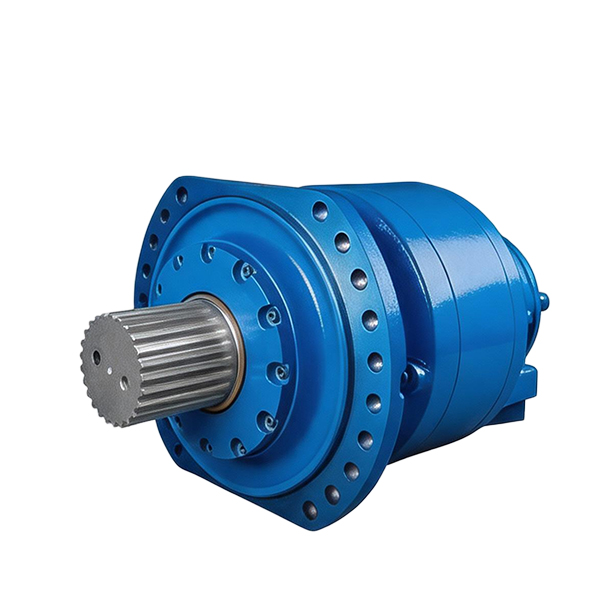
The Basic Relationship Between Displacement and Torque
Displacement is straightforward. Think of it like a car engine's cylinder volume. Displacement is the exact volume of fluid the motor consumes per revolution. More fluid entering the chamber pushes the internal pistons with greater force. This action generates higher rotational torque.
The core mathematical relationship uses a simple formula:
Theoretical Torque (N·m) = Displacement (ml/r) × Working Pressure (MPa) × 0.159
Never evaluate a low speed high torque motor selection using only peak torque. Maximum torque is a temporary value during pressure spikes. Machinery needs sustained rated torque for continuous work. Relying on peak torque will stall the motor.
Displacement, torque, and speed maintain a strict balance. If the pump flow remains constant, rules apply. Increasing motor displacement lowers rotation speed and increases output torque. You must balance speed and power for your machine.
How to Select the Right Displacement for Your Application
Proper sizing prevents sudden equipment failure. Calculate your needs accurately before purchasing. Follow these three steps.
Step One: Calculate the minimum continuous torque your equipment needs. Apply a load safety factor between 1.2 and 1.5. This buffer handles unexpected friction and ground resistance.
Step Two: Determine your hydraulic system's rated working pressure. This is typically 25 MPa for standard mobile equipment. Check your machine manual. Operating below this pressure reduces torque output.
Step Three: Reverse engineer the minimum required displacement using the formula. Assume you need 4000 N·m of torque and pressure is 25 MPa. Divide 4000 by (25 × 0.159). You need a displacement of approximately 1006 ml/r.
Different environments demand specific displacement strategies:
-
Light-duty (micro-loaders, trenchers): Small displacement for high rotation speed.
-
Medium-duty (skid steers, mini-excavators): Medium displacement to balance torque and speed.
-
Heavy-duty (mining vehicles, large pavers): Large displacement for low speed and high torque.
A common mistake is choosing the largest displacement possible. This lowers system efficiency and increases fuel consumption without providing practical benefits.
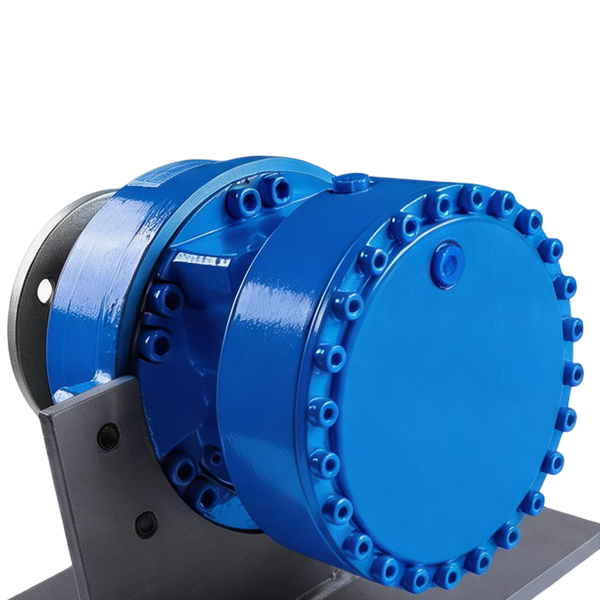
Blince's Full Displacement Range Radial Piston Motor Solutions
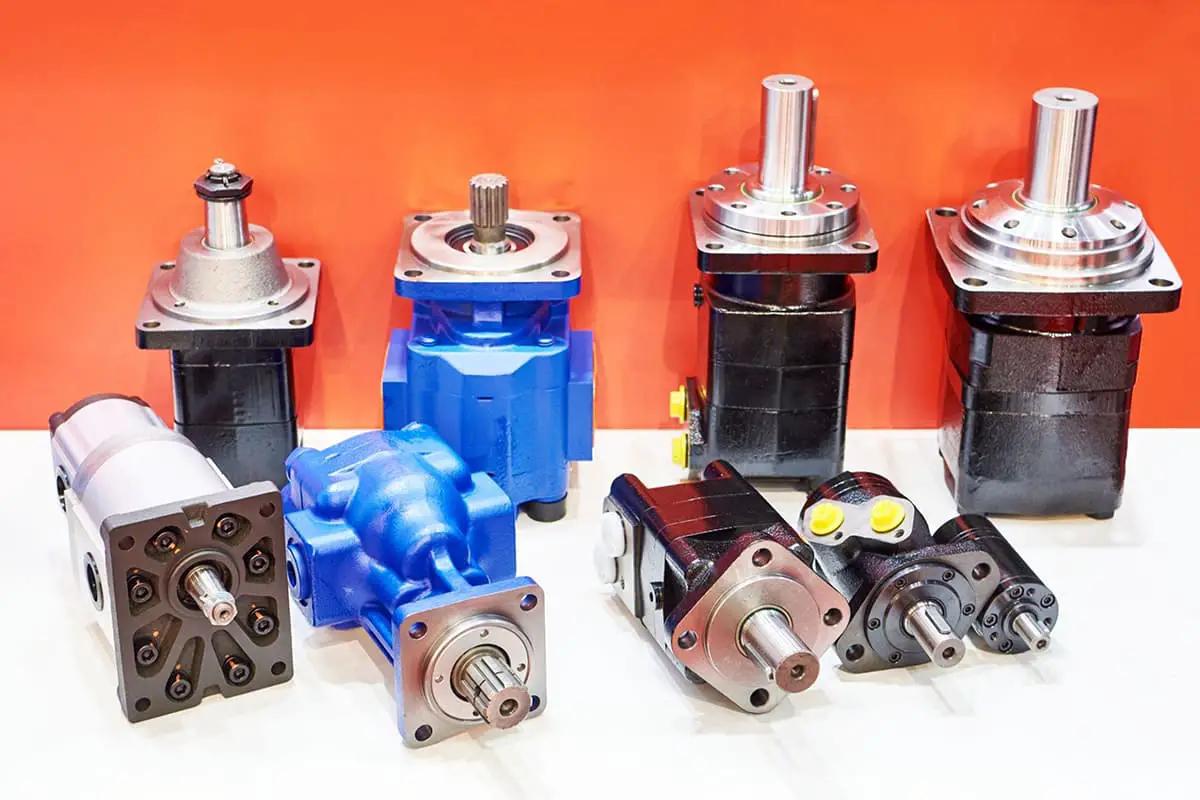
Finding the exact motor size is easy. As a leading China hydraulic manufacturer, Blince offers comprehensive solutions. Our Blince radial piston motor lineup covers displacements from 160ml/r to 6011ml/r. Every motor acts as a flawless 1:1 Poclain replacement motor.
-
Compact (160-398ml/r): Ideal for micro equipment. The MCR03 Series Hydraulic Multipurpose Travel Motor and HMS02 Series Piston Travel Motor deliver reliable power in tight spaces.
-
Medium (260-820ml/r): Fits small construction machinery. Options include the MCR05 Series Hydraulic Travel Motor and HMS05 Series Hydraulic Travel Motor.
-
Medium-Heavy (467-1248ml/r): Excels in road rollers and scrapers. The HMS08 Series Hydraulic Piston Travel Motor handles friction loads easily.
-
Heavy (780-2800ml/r): Designed for harsh environments. The MCR10 Series Hydraulic Travel Motor and MK18 Series Hydraulic Travel Motor provide exceptional strength.
-
Ultra-Heavy (3500-6011ml/r): Engineered for 50-ton excavators. The HMS50 Series Radial Piston Travel Motor delivers unstoppable continuous torque.
All Blince products pass CE and ISO 9001:2015 certifications. We conduct 100% full load testing. We customize shafts, ports, and brakes. We offer NPT, BSP, and Metric threads. We ship in 7-15 days to the USA, Canada, Germany, the UK, Australia, South Africa, and 50+ countries. We provide 24/7 technical support.
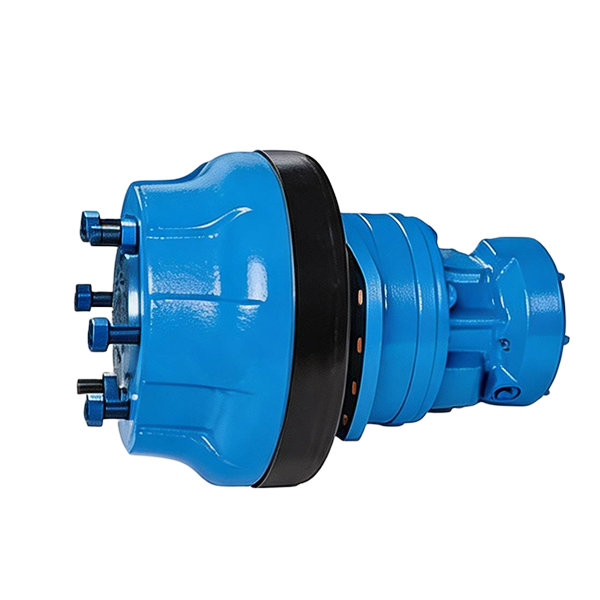
Common Displacement Matching Mistakes to Avoid
Avoid these five critical errors when specifying a new motor:
-
Mistake 1: Looking strictly at maximum displacement. Verify the rated torque and permissible speed range.
-
Mistake 2: Forcing a small motor to drive heavy loads. This causes oil overheating and premature wear.
-
Mistake 3: Using an oversized motor. This drops system pressure and causes slow machine movements.
-
Mistake 4: Ignoring dual-displacement needs. Some equipment must adjust output dynamically based on loads.
-
Mistake 5: Overlooking exact mounting dimensions and port standards. This leads to installation failures and oil leaks.
Post-Installation Performance Verification Tips
Proper testing ensures your new motor operates safely. Never skip these steps.
-
No-Load Test Run: Run the machine without a working load. Verify stable rotation speed. Check for fluid leaks.
-
Gradual Load Testing: Apply the load slowly. Confirm the torque output meets requirements without stalling the engine.
-
System Pressure Check: Measure the working pressure using gauges. Ensure it stays within the motor's rated range.
-
Temperature Monitoring: Run continuously for one hour. Check the casing temperature. Ensure no abnormal heating occurs.
Frequently Asked Questions (FAQ)
How do I calculate the required torque for my hydraulic motor?
You can calculate theoretical torque using this formula: Displacement (ml/r) × Working Pressure (MPa) × 0.159. Always factor in a safety load margin of 1.2 to 1.5 to handle sudden ground resistance on construction sites.
What happens if I choose a radial piston motor with too much displacement?
Choosing an oversized displacement motor will drop your hydraulic system pressure significantly. This results in extremely sluggish machine movements, poor operational efficiency, and increased fuel consumption.
Where can I find a reliable 1:1 Poclain replacement motor in the USA or Australia?
Blince manufactures 1:1 interchangeable radial piston motors that perfectly replace Poclain MS, MSE, and MCR series. They conform to SAE/DIN/ISO standards and are shipped rapidly to the USA, Australia, and over 50 countries within 7-15 days.
Are Blince hydraulic motors suitable for cold environments like forestry equipment in Canada?
Yes. Blince hydraulic travel motors can be customized with specific internal seals and components designed to withstand temperature extremes, ensuring reliable torque and speed for demanding forestry applications in Canada and agricultural machinery in Germany.
Conclusion: Correct radial piston hydraulic motor displacement torque matching guarantees machinery reliability. Blince provides global users with precise sizing options. Choose our high-quality full range hydraulic travel motor solutions to keep equipment operating efficiently.