When selecting a supplier, buyers should evaluate whether the company can support:
Component matching
Replacement requirements
Custom configurations
System optimization
Review Manufacturing and Quality Control Process
Quality control is critical for hydraulic power units because component failures can affect complete machine operation.
Buyers should ask about:
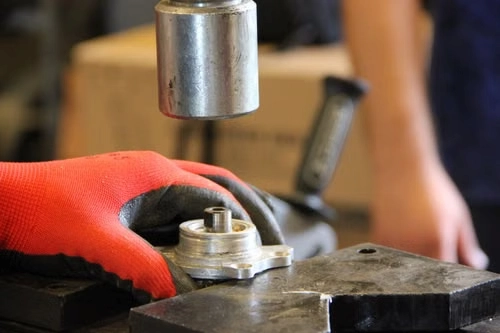
Material inspection
Machining accuracy
Assembly control
Pressure testing
Leakage inspection
Performance verification
Final inspection
BLINCE states that it has more than 20 years of hydraulic industry experience, R&D capability, production capability, testing resources, ISO 9001 and CE-related compliance, and registered patents. More details are available on the BLINCE About Us page.
Evaluate Customization Capability
Many OEM projects require customized hydraulic power unit configurations.
Customization may include:
Hydraulic Circuit Design
Different machines may require different:
Valve arrangements
Flow control methods
Pressure settings
Safety functions
Mechanical Structure
Customization may include:
Mounting dimensions
Reservoir shape
Port locations
Component arrangement
Installation brackets
Performance Requirements
Systems may need adjustment for:
Higher pressure
Higher flow
Lower noise
Better cooling
Faster response
Longer service life
A capable hydraulic power unit supplier should evaluate the complete application before recommending a solution.
Standard Hydraulic Power Unit vs Custom Hydraulic Power Unit
Comparison
Standard Hydraulic Power Unit
Custom Hydraulic Power Unit
Design
Fixed configuration
Application-specific design
Development time
Shorter
Requires engineering review
Installation
Limited options
Optimized for machine structure
Performance
General requirements
Designed for specific conditions
Control
Standard functions
Customized control logic
Best use
Common applications
OEM and special machinery
Standard solutions work well when machine requirements are already defined.
Custom hydraulic power units are more suitable when customers need:
Special performance
Limited installation space
Complex hydraulic functions
Integrated system design
Long-term OEM cooperation
What Information Should Buyers Provide When Requesting a Hydraulic Power Unit?
Providing complete technical information helps suppliers design a more accurate solution.
Important information includes:
Machine Application
Provide:
Equipment type
Working environment
Operating cycle
Expected service life
Installation limitations
Hydraulic Requirements
Include:
Required pressure
Maximum pressure
Flow rate
Hydraulic oil type
Operating temperature
Power Requirements
Provide:
Motor power
Voltage requirements
Rotation speed
Duty cycle
Hydraulic Circuit Requirements
Include:
Number of actuators
Valve requirements
Control method
Safety requirements
Mechanical Requirements
Provide:
Installation dimensions
Port position
Mounting requirements
Space limitations
Common Hydraulic Power Unit Problems and Solutions
Even well-designed hydraulic systems require proper maintenance.
Hydraulic Power Unit Overheating
Possible causes:
Excessive pressure loss
Incorrect pump sizing
Poor cooling capacity
High internal leakage
Continuous overload operation
Possible solutions:
Check system pressure
Evaluate pump efficiency
Improve cooling capacity
Inspect hydraulic components
Low Hydraulic Pressure
Possible causes:
Pump wear
Leakage
Incorrect pressure adjustment
Valve problems
Insufficient fluid supply
Solutions may include:
Checking pump condition
Inspecting valves
Testing pressure settings
Reviewing system design
Slow Machine Operation
Possible causes:
Insufficient flow
Incorrect component selection
Internal leakage
Blocked filtration
A complete system inspection is usually required.
Hydraulic Noise
Common causes include:
Air entering the system
Cavitation
Incorrect oil level
Pump problems
Noise should not be ignored because it may indicate potential component damage.
Why Choose BLINCE as Your Hydraulic Power Unit Supplier?
BLINCE focuses on providing hydraulic components and engineering support for customers requiring reliable hydraulic solutions.
The company supports customers with:
Hydraulic component selection
System matching
OEM customization
Technical communication
Application support
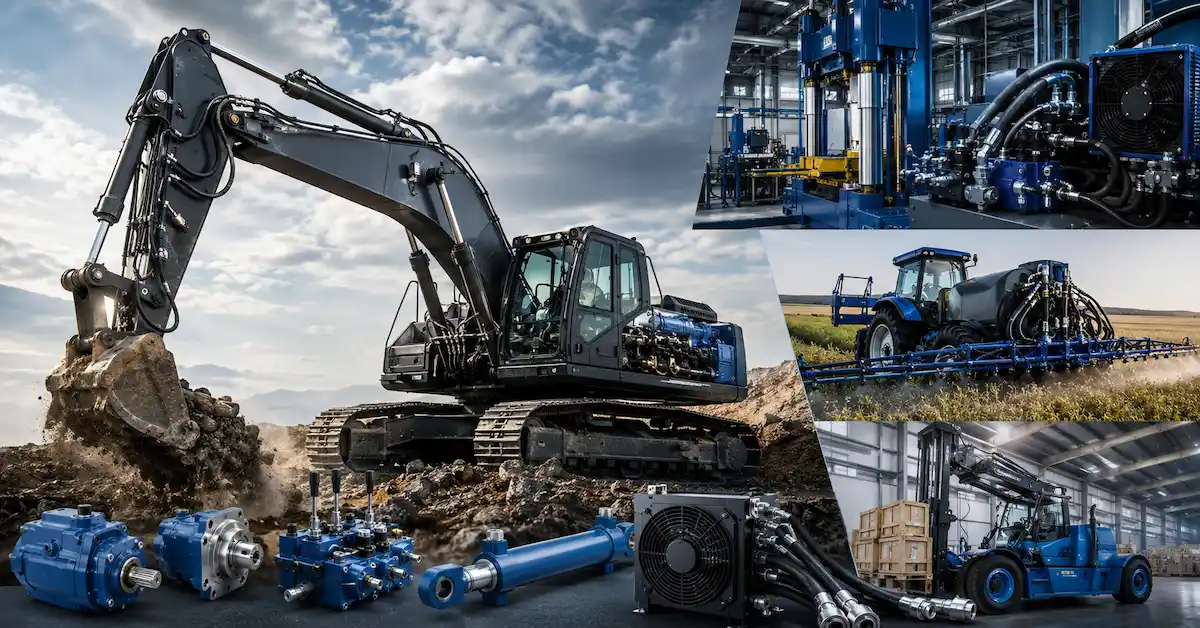
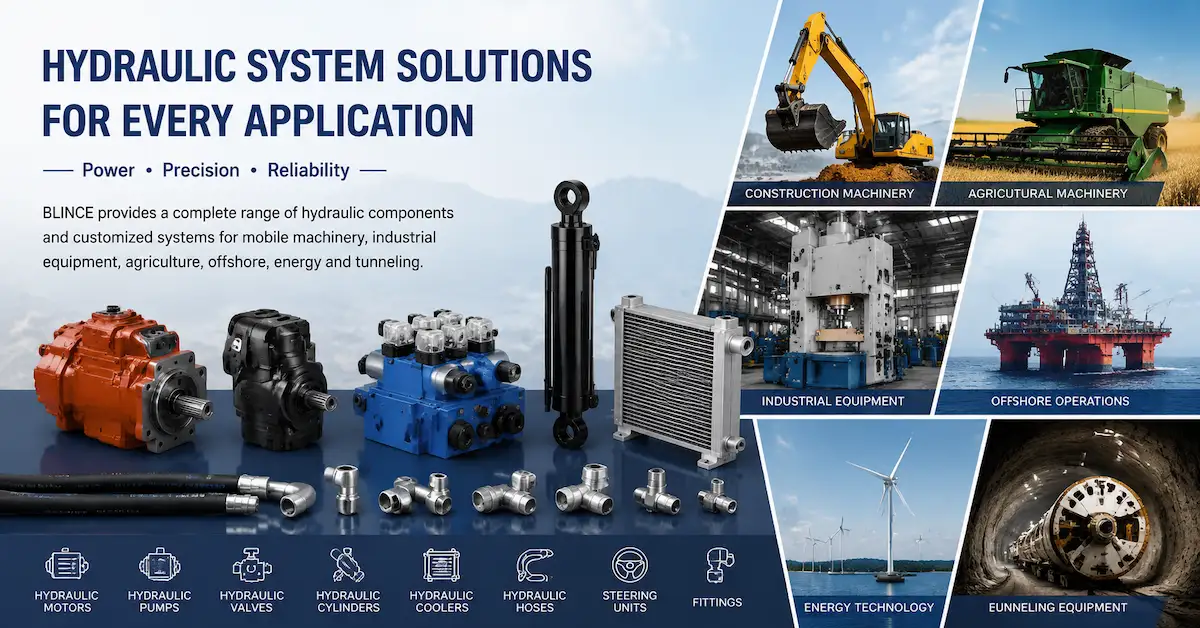
BLINCE's hydraulic product portfolio includes:
Hydraulic pumps
Hydraulic motors
Hydraulic valves
Hydraulic cylinders
Hydraulic coolers
Hydraulic hoses
By combining different hydraulic components, BLINCE supports customers developing solutions for:
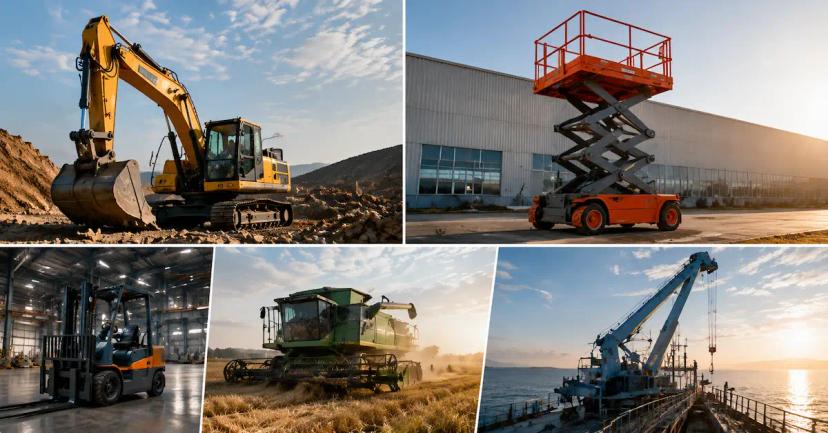
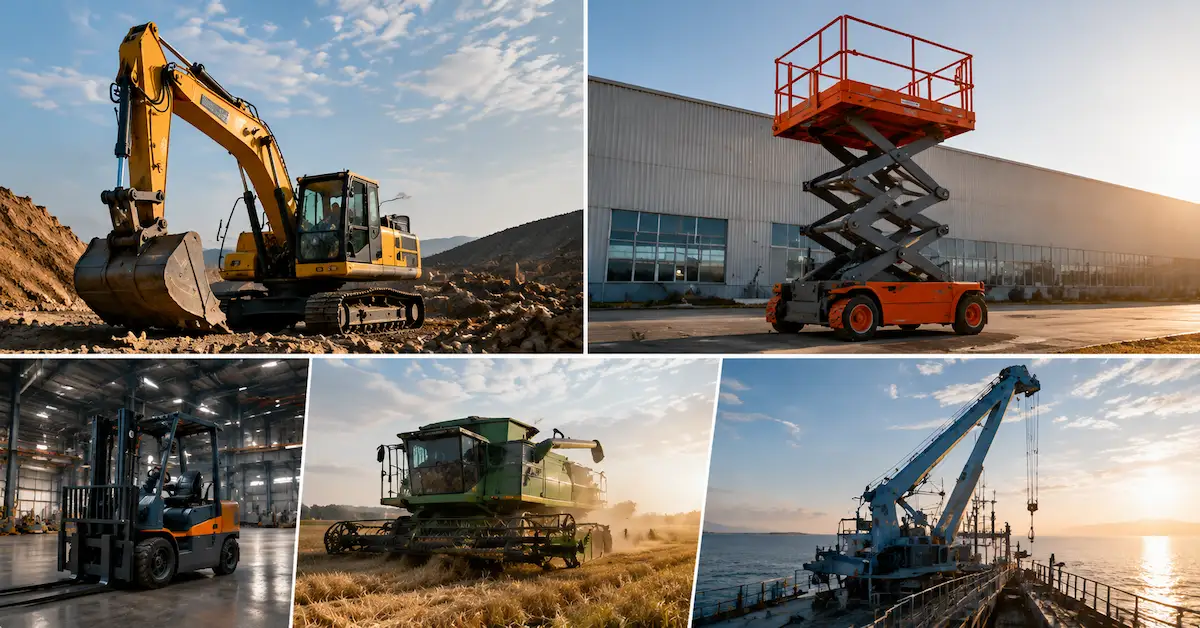
Construction machinery
Agricultural equipment
Industrial machines
Mining equipment
Marine applications
Special machinery
For OEM manufacturers and engineering companies, working with a hydraulic power unit supplier that understands both components and applications can reduce design risks and improve system reliability.
FAQ
What does a hydraulic power unit supplier provide?
A hydraulic power unit supplier provides hydraulic power solutions including pumps, motors, valves, reservoirs, control components, cooling systems, hoses, and related hydraulic components.
How do I choose a hydraulic power unit supplier?
Evaluate the supplier's engineering capability, product range, customization ability, manufacturing quality, testing process, technical support, and experience with similar applications.
Can BLINCE provide custom hydraulic power unit solutions?
BLINCE supports customized hydraulic solutions through hydraulic component selection, system matching, OEM cooperation, and technical support based on application requirements.
What information is needed for hydraulic power unit quotation?
Buyers should provide machine application, pressure, flow, motor power, installation requirements, operating environment, duty cycle, and required quantity.
What industries use hydraulic power units?
Hydraulic power units are widely used in construction machinery, industrial equipment, agricultural machinery, mining equipment, marine systems, and special machinery.
How can hydraulic power unit efficiency be improved?
Efficiency can be improved through correct pump sizing, proper valve selection, reducing pressure losses, maintaining oil cleanliness, and controlling operating temperature.
What causes hydraulic power unit overheating?
Common causes include excessive pressure losses, poor cooling, incorrect component sizing, internal leakage, and continuous overload operation.
What is the difference between a hydraulic power unit supplier and a hydraulic component supplier?
A hydraulic component supplier mainly provides individual parts, while a hydraulic power unit supplier should help integrate components into a complete working hydraulic solution.
How long does a custom hydraulic power unit project take?
The development time depends on system complexity, customization requirements, testing needs, and production quantity.
How can I request a hydraulic power unit solution from BLINCE?
Provide your machine information, hydraulic requirements, drawings, application details, and quantity through the BLINCE Contact Us page for technical evaluation.
Conclusion
Choosing the right hydraulic power unit supplier is not only about purchasing hydraulic equipment. It is about finding a technical partner that can provide suitable components, reliable system integration, customization support, and long-term cooperation.
For OEM manufacturers, industrial equipment companies, and system integrators, the ideal supplier should understand:
Hydraulic system requirements
Component compatibility
Application conditions
Manufacturing quality
Testing procedures
Future maintenance needs
BLINCE provides hydraulic pumps, motors, valves, cylinders, coolers, hoses, and hydraulic system solutions for different industrial and mobile applications.
If you are developing new machinery or improving an existing hydraulic system, contact BLINCE Hydraulic with your application requirements, hydraulic parameters, drawings, and project details to discuss a suitable hydraulic power unit solution.