


What Is a Hydraulic Power Unit?
A hydraulic power unit (HPU) is a complete hydraulic system assembly that converts mechanical energy into hydraulic power and supplies controlled fluid flow and pressure to hydraulic actuators.
Unlike a single hydraulic component, a hydraulic power unit integrates multiple components into one coordinated system.
A typical hydraulic power unit may include:
- Hydraulic pump
- Electric motor or engine drive
- Hydraulic reservoir
- Hydraulic valve
- Pressure control components
- Filtration system
- Hydraulic cooler
- Hydraulic hose and fittings
- Control system
The purpose of a hydraulic power unit is to provide stable hydraulic energy for machines that require controlled movement, lifting, pressing, rotation, clamping, or other hydraulic operations.
For OEM equipment manufacturers, selecting the right hydraulic power unit supplier is important because the performance of the power unit directly affects:
- Machine reliability
- Operating efficiency
- Maintenance requirements
- Production stability
- Service life
A professional supplier should not only provide components but also understand hydraulic system integration, application requirements, and customization needs.
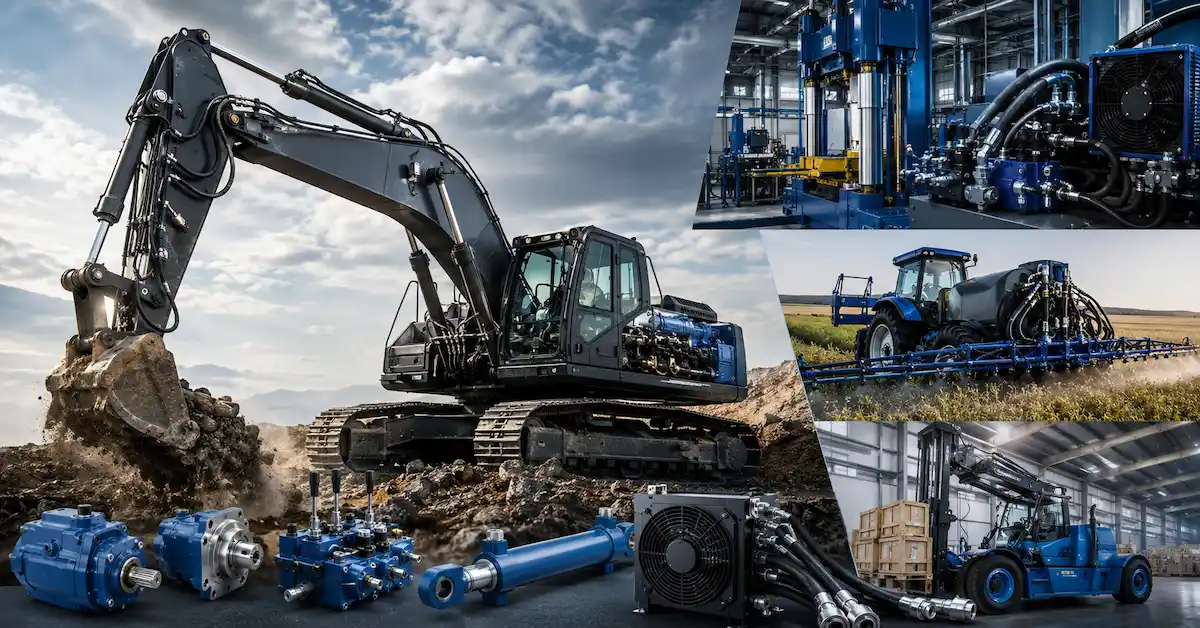
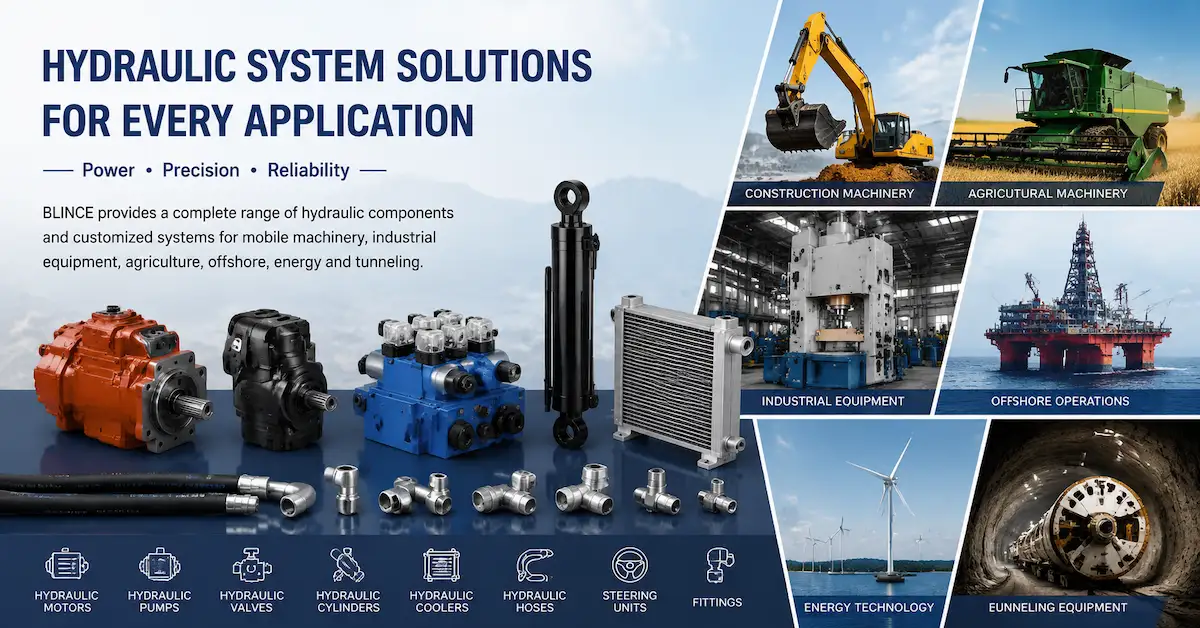
BLINCE provides hydraulic solutions covering hydraulic pumps, hydraulic motors, hydraulic valves, hydraulic cylinders, hydraulic coolers, and hydraulic hoses for industrial and mobile machinery applications.
How Does a Hydraulic Power Unit Work?
A hydraulic power unit works by generating hydraulic flow, controlling pressure, and delivering hydraulic energy to connected actuators.
The basic working process includes:
1. Power Input
The system begins with a mechanical power source.
Common options include:
- Electric motor
- Diesel engine
- Other mechanical drives
The power source drives the hydraulic pump.
2. Hydraulic Pump Generates Flow
The hydraulic pump converts mechanical energy into hydraulic energy.
The pump draws hydraulic oil from the reservoir and delivers pressurized fluid into the hydraulic circuit.
Pump selection depends on:
- Required flow rate
- Operating pressure
- Displacement
- Speed
- Efficiency
- Duty cycle
BLINCE supplies different hydraulic pump solutions, including:
- Gear pumps
- Piston pumps
- Vane pumps
- Hydraulic pump cartridges
More information is available on the BLINCE hydraulic pump product page.
3. Hydraulic Valve Controls Operation
The hydraulic valve controls how fluid moves through the system.
Depending on the application, valves control:
- Direction
- Flow rate
- Pressure
- Sequence
- Safety functions
Valve configuration depends on:
- System pressure
- Flow requirement
- Number of actuators
- Control method
- Machine operation
BLINCE provides hydraulic valve solutions including directional control valves, flow control valves, logic valves, and proportional hydraulic controls.
4. Hydraulic Actuator Produces Movement
The pressurized hydraulic oil finally reaches actuators.
Common hydraulic actuators include:
Hydraulic Cylinder
Used for linear movement.
Applications:
- Lifting
- Pushing
- Pressing
- Clamping
BLINCE provides hydraulic cylinder solutions for different industrial and mobile equipment applications.
Hydraulic Motor
Used for rotary movement.
Applications:
- Driving wheels
- Winches
- Conveyor systems
- Rotary equipment
BLINCE supplies different hydraulic motor products, including orbital motors, gear motors, axial piston motors, radial piston motors, and travel motors.
What Components Are Included in a Hydraulic Power Unit?
A complete hydraulic power unit depends on the application, but most systems include several important components.
| Component | Function | Key Selection Factors |
|---|---|---|
| Hydraulic pump | Generates hydraulic flow | Pressure, flow, displacement, speed |
| Hydraulic motor | Provides rotary power | Torque, speed, displacement |
| Hydraulic cylinder | Provides linear force | Bore, stroke, pressure |
| Hydraulic valve | Controls hydraulic operation | Flow, pressure, spool function |
| Reservoir | Stores hydraulic fluid | Capacity, material, cooling |
| Filtration system | Maintains oil cleanliness | Micron rating, contamination control |
| Hydraulic cooler | Controls temperature | Heat load, oil flow |
| Hose and fittings | Transfers hydraulic oil | Pressure, connection, durability |
The correct combination of these components determines the reliability of the complete hydraulic system.
A hydraulic power unit supplier should therefore understand how these components interact rather than supplying them independently.
Why Do OEM Buyers Need a Hydraulic Power Unit Supplier?
OEM customers often require more than a standard hydraulic power pack.
Different machines have different requirements.
A construction machine may require:
- High pressure
- Compact structure
- Shock resistance
- High durability
An industrial machine may require:
- Precise control
- Stable operation
- Low noise
- Continuous duty performance
A marine system may require:
- Corrosion resistance
- Long operating cycles
- Environmental protection
A specialized machine may require:
- Custom dimensions
- Special control logic
- Non-standard hydraulic circuits
Therefore, OEM buyers usually need a supplier capable of analyzing the complete application.
Key Benefits of Working With a Professional Hydraulic Power Unit Supplier
System-Level Engineering Support
A reliable supplier should help customers evaluate:
- Hydraulic calculations
- Component matching
- Installation requirements
- Performance requirements
- Operating environment
This reduces the risk of selecting incompatible components.
Custom Configuration Capability
Hydraulic power units often require customization.
Possible customization areas include:
- Pump displacement
- Motor power
- Reservoir capacity
- Valve configuration
- Port position
- Mounting structure
- Cooling method
- Control system
Better Component Compatibility
When pumps, valves, motors, cylinders, and accessories are selected separately from different suppliers, compatibility issues may appear.
A hydraulic power unit supplier with broader hydraulic knowledge can help coordinate:
- Pressure matching
- Flow matching
- Hydraulic circuit design
- Installation compatibility
Long-Term Technical Support
Hydraulic systems may require support during:
- Installation
- Commissioning
- Maintenance
- Troubleshooting
- System upgrades
Long-term technical communication is especially important for OEM machinery projects.
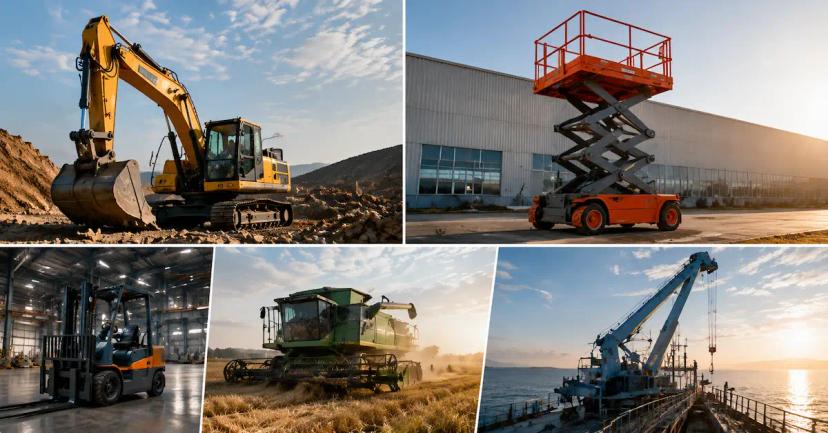
What Industries Use Hydraulic Power Units?
A professional hydraulic power unit supplier should understand not only hydraulic components but also the application environments where these systems operate.
Different industries create different hydraulic requirements, including pressure levels, operating cycles, temperature conditions, installation limitations, and maintenance expectations.
Construction Machinery Applications
Construction equipment is one of the most common applications for hydraulic power units.
Typical equipment includes:
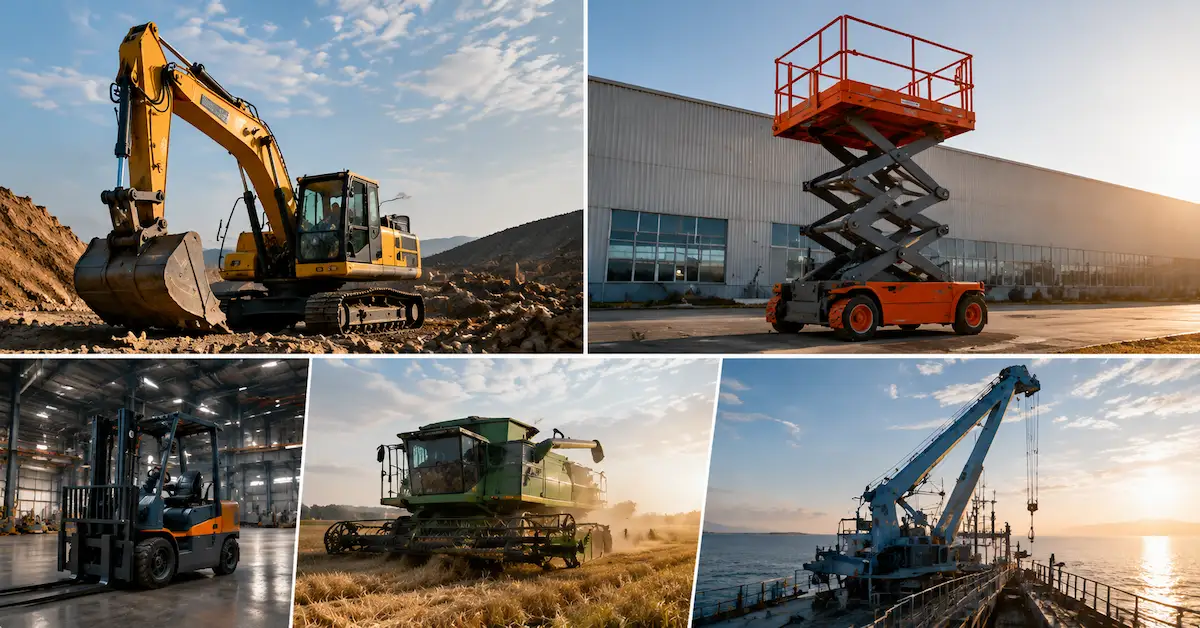
- Excavators
- Loaders
- Cranes
- Road machinery
- Drilling equipment
- Concrete machinery
- Material handling machines
These applications often require:
- High pressure capability
- Compact installation
- Strong impact resistance
- Reliable continuous operation
- Easy maintenance
For example, an excavator hydraulic system may require coordinated operation between:
- Hydraulic pump
- Travel motor
- Swing motor
- Hydraulic cylinder
- Control valve
The hydraulic power unit must provide stable flow and pressure to ensure smooth machine movement.
Industrial Machinery Applications
Industrial equipment often requires hydraulic systems for controlled force and precise movement.
Common applications include:
- Hydraulic presses
- Manufacturing equipment
- Automation systems
- Injection molding machines
- Metal processing equipment
Important requirements include:
- Stable pressure control
- Accurate movement
- Low vibration
- Long operating cycles
- Temperature management
For industrial applications, hydraulic power unit selection should focus on reliability and repeatability rather than only maximum pressure.
Agricultural Machinery Applications
Agricultural equipment operates in challenging environments involving:
- Dust
- Vibration
- Outdoor exposure
- Seasonal intensive use
Typical applications include:
- Harvesters
- Tractors
- Feed equipment
- Balers
- Seeders
Agricultural hydraulic systems often require:
- High starting torque
- Reliable low-speed operation
- Easy maintenance
- Durable components
A suitable hydraulic power unit supplier should understand the working conditions of agricultural machinery rather than only supplying standard hydraulic components.
Mining and Heavy Equipment Applications
Mining equipment places extremely demanding requirements on hydraulic systems.
Common challenges include:
- Heavy loads
- Continuous operation
- High contamination risk
- Limited maintenance access
- Extreme environments
Hydraulic power units used in mining applications need:
- Strong durability
- Reliable pressure output
- Effective cooling
- High-quality filtration
- Robust component selection
Component matching becomes especially important because unexpected hydraulic failures can create significant equipment downtime.
Marine and Offshore Applications
Marine hydraulic systems often operate in environments involving:
- Humidity
- Salt exposure
- Long operating periods
- Difficult maintenance conditions
Applications include:
- Deck machinery
- Hydraulic winches
- Lifting equipment
- Steering systems
- Offshore equipment
These systems require attention to:
- Corrosion resistance
- Hydraulic fluid management
- Reliable sealing
- Long service intervals
How to Choose a Reliable Hydraulic Power Unit Supplier?
Choosing the right supplier requires evaluating engineering capability, manufacturing ability, product range, and after-sales support.
A professional supplier should be able to support customers throughout the entire project lifecycle.
Evaluate Hydraulic Engineering Capability
A capable supplier should understand:
- Hydraulic circuit design
- Pressure and flow calculation
- Pump selection
- Motor matching
- Valve configuration
- Cylinder sizing
- Cooling requirements
The supplier should be able to explain why a specific configuration is recommended.
For example:
A hydraulic power unit requiring high torque output may need different motor and pump selection compared with a system designed for high-speed operation.
Check Product Portfolio and Component Compatibility
A supplier with a broad hydraulic portfolio can provide better system coordination.
BLINCE provides multiple hydraulic product categories, including:
- Hydraulic Pumps
- Hydraulic Motors
- Hydraulic Valves
- Hydraulic Cylinders
- Hydraulic Coolers
- Hydraulic Hoses
When selecting a supplier, buyers should evaluate whether the company can support:
- Component matching
- Replacement requirements
- Custom configurations
- System optimization
Review Manufacturing and Quality Control Process
Quality control is critical for hydraulic power units because component failures can affect complete machine operation.
Buyers should ask about:
- Material inspection
- Machining accuracy
- Assembly control
- Pressure testing
- Leakage inspection
- Performance verification
- Final inspection
BLINCE states that it has more than 20 years of hydraulic industry experience, R&D capability, production capability, testing resources, ISO 9001 and CE-related compliance, and registered patents. More details are available on the BLINCE About Us page.
Evaluate Customization Capability
Many OEM projects require customized hydraulic power unit configurations.
Customization may include:
Hydraulic Circuit Design
Different machines may require different:
- Valve arrangements
- Flow control methods
- Pressure settings
- Safety functions
Mechanical Structure
Customization may include:
- Mounting dimensions
- Reservoir shape
- Port locations
- Component arrangement
- Installation brackets
Performance Requirements
Systems may need adjustment for:
- Higher pressure
- Higher flow
- Lower noise
- Better cooling
- Faster response
- Longer service life
A capable hydraulic power unit supplier should evaluate the complete application before recommending a solution.
Standard Hydraulic Power Unit vs Custom Hydraulic Power Unit
| Comparison | Standard Hydraulic Power Unit | Custom Hydraulic Power Unit |
|---|---|---|
| Design | Fixed configuration | Application-specific design |
| Development time | Shorter | Requires engineering review |
| Installation | Limited options | Optimized for machine structure |
| Performance | General requirements | Designed for specific conditions |
| Control | Standard functions | Customized control logic |
| Best use | Common applications | OEM and special machinery |
Standard solutions work well when machine requirements are already defined.
Custom hydraulic power units are more suitable when customers need:
- Special performance
- Limited installation space
- Complex hydraulic functions
- Integrated system design
- Long-term OEM cooperation
What Information Should Buyers Provide When Requesting a Hydraulic Power Unit?
Providing complete technical information helps suppliers design a more accurate solution.
Important information includes:
Machine Application
Provide:
- Equipment type
- Working environment
- Operating cycle
- Expected service life
- Installation limitations
Hydraulic Requirements
Include:
- Required pressure
- Maximum pressure
- Flow rate
- Hydraulic oil type
- Operating temperature
Power Requirements
Provide:
- Motor power
- Voltage requirements
- Rotation speed
- Duty cycle
Hydraulic Circuit Requirements
Include:
- Number of actuators
- Valve requirements
- Control method
- Safety requirements
Mechanical Requirements
Provide:
- Installation dimensions
- Port position
- Mounting requirements
- Space limitations
Common Hydraulic Power Unit Problems and Solutions
Even well-designed hydraulic systems require proper maintenance.
Hydraulic Power Unit Overheating
Possible causes:
- Excessive pressure loss
- Incorrect pump sizing
- Poor cooling capacity
- High internal leakage
- Continuous overload operation
Possible solutions:
- Check system pressure
- Evaluate pump efficiency
- Improve cooling capacity
- Inspect hydraulic components
Low Hydraulic Pressure
Possible causes:
- Pump wear
- Leakage
- Incorrect pressure adjustment
- Valve problems
- Insufficient fluid supply
Solutions may include:
- Checking pump condition
- Inspecting valves
- Testing pressure settings
- Reviewing system design
Slow Machine Operation
Possible causes:
- Insufficient flow
- Incorrect component selection
- Internal leakage
- Blocked filtration
A complete system inspection is usually required.
Hydraulic Noise
Common causes include:
- Air entering the system
- Cavitation
- Incorrect oil level
- Pump problems
Noise should not be ignored because it may indicate potential component damage.
Hydraulic Leakage
Leakage may result from:
- Damaged seals
- Loose fittings
- Incorrect hose selection
- Excessive pressure
Regular inspection helps prevent unexpected downtime.
Why Choose BLINCE as Your Hydraulic Power Unit Supplier?
BLINCE focuses on providing hydraulic components and engineering support for customers requiring reliable hydraulic solutions.
The company supports customers with:
- Hydraulic component selection
- System matching
- OEM customization
- Technical communication
- Application support
BLINCE's hydraulic product portfolio includes:
- Hydraulic pumps
- Hydraulic motors
- Hydraulic valves
- Hydraulic cylinders
- Hydraulic coolers
- Hydraulic hoses
By combining different hydraulic components, BLINCE supports customers developing solutions for:
- Construction machinery
- Agricultural equipment
- Industrial machines
- Mining equipment
- Marine applications
- Special machinery
For OEM manufacturers and engineering companies, working with a hydraulic power unit supplier that understands both components and applications can reduce design risks and improve system reliability.
FAQ
What does a hydraulic power unit supplier provide?
A hydraulic power unit supplier provides hydraulic power solutions including pumps, motors, valves, reservoirs, control components, cooling systems, hoses, and related hydraulic components.
How do I choose a hydraulic power unit supplier?
Evaluate the supplier's engineering capability, product range, customization ability, manufacturing quality, testing process, technical support, and experience with similar applications.
Can BLINCE provide custom hydraulic power unit solutions?
BLINCE supports customized hydraulic solutions through hydraulic component selection, system matching, OEM cooperation, and technical support based on application requirements.
What information is needed for hydraulic power unit quotation?
Buyers should provide machine application, pressure, flow, motor power, installation requirements, operating environment, duty cycle, and required quantity.
What industries use hydraulic power units?
Hydraulic power units are widely used in construction machinery, industrial equipment, agricultural machinery, mining equipment, marine systems, and special machinery.
How can hydraulic power unit efficiency be improved?
Efficiency can be improved through correct pump sizing, proper valve selection, reducing pressure losses, maintaining oil cleanliness, and controlling operating temperature.
What causes hydraulic power unit overheating?
Common causes include excessive pressure losses, poor cooling, incorrect component sizing, internal leakage, and continuous overload operation.
What is the difference between a hydraulic power unit supplier and a hydraulic component supplier?
A hydraulic component supplier mainly provides individual parts, while a hydraulic power unit supplier should help integrate components into a complete working hydraulic solution.
How long does a custom hydraulic power unit project take?
The development time depends on system complexity, customization requirements, testing needs, and production quantity.
How can I request a hydraulic power unit solution from BLINCE?
Provide your machine information, hydraulic requirements, drawings, application details, and quantity through the BLINCE Contact Us page for technical evaluation.
Conclusion
Choosing the right hydraulic power unit supplier is not only about purchasing hydraulic equipment. It is about finding a technical partner that can provide suitable components, reliable system integration, customization support, and long-term cooperation.
For OEM manufacturers, industrial equipment companies, and system integrators, the ideal supplier should understand:
- Hydraulic system requirements
- Component compatibility
- Application conditions
- Manufacturing quality
- Testing procedures
- Future maintenance needs
BLINCE provides hydraulic pumps, motors, valves, cylinders, coolers, hoses, and hydraulic system solutions for different industrial and mobile applications.
If you are developing new machinery or improving an existing hydraulic system, contact BLINCE Hydraulic with your application requirements, hydraulic parameters, drawings, and project details to discuss a suitable hydraulic power unit solution.