
Home/News & Events/Buying Guide/
Hydraulic Fitting Supplier: How OEM Buyers Choose Reliable Hydraulic Connections

Hydraulic Fitting Supplier: How OEM Buyers Choose Reliable Hydraulic Connections

logo

Written by

zf1752727681

Published

Aug 25 2026

  • Buying Guide
  • Hydraulic Systems

Follow us

hydraulic-fitting-supplier

What Is a Hydraulic Fitting Supplier?

A hydraulic fitting supplier provides connection components used to join hydraulic hoses, pipes, valves, pumps, cylinders, motors, and other hydraulic system components.

Although hydraulic fittings are small components, they play an important role in maintaining hydraulic system performance.

A reliable hydraulic connection must ensure:

  • Leak-free operation
  • Stable pressure transmission
  • Correct fluid flow
  • Mechanical reliability
  • Easy maintenance
  • Long service life

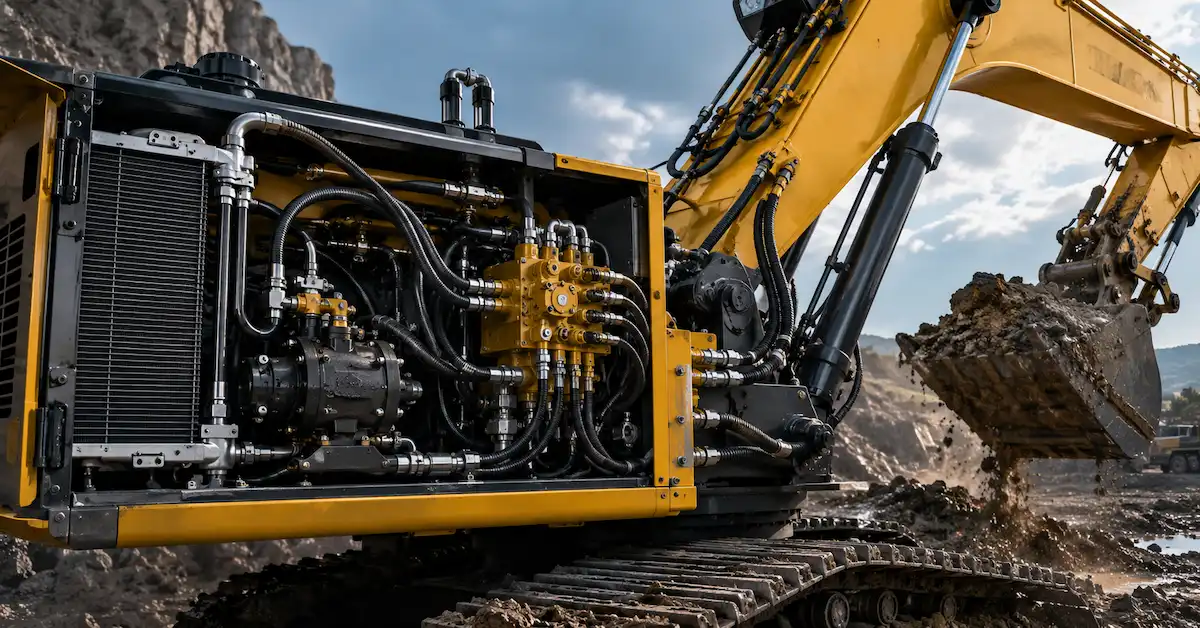
In a complete hydraulic system, components such as pumps, motors, valves, and cylinders create hydraulic power and movement, while fittings ensure that hydraulic fluid can move safely between different components.

Common hydraulic fitting products include:

  • Hydraulic hose fittings
  • Hydraulic adapters
  • Straight fittings
  • Elbow fittings
  • Tee fittings
  • Reducer fittings
  • Thread adapters
  • Custom hydraulic connectors

For OEM machinery manufacturers and hydraulic system integrators, selecting a suitable hydraulic fitting supplier is not only about purchasing connectors. It requires evaluating compatibility, pressure capability, material quality, manufacturing accuracy, and supply reliability.

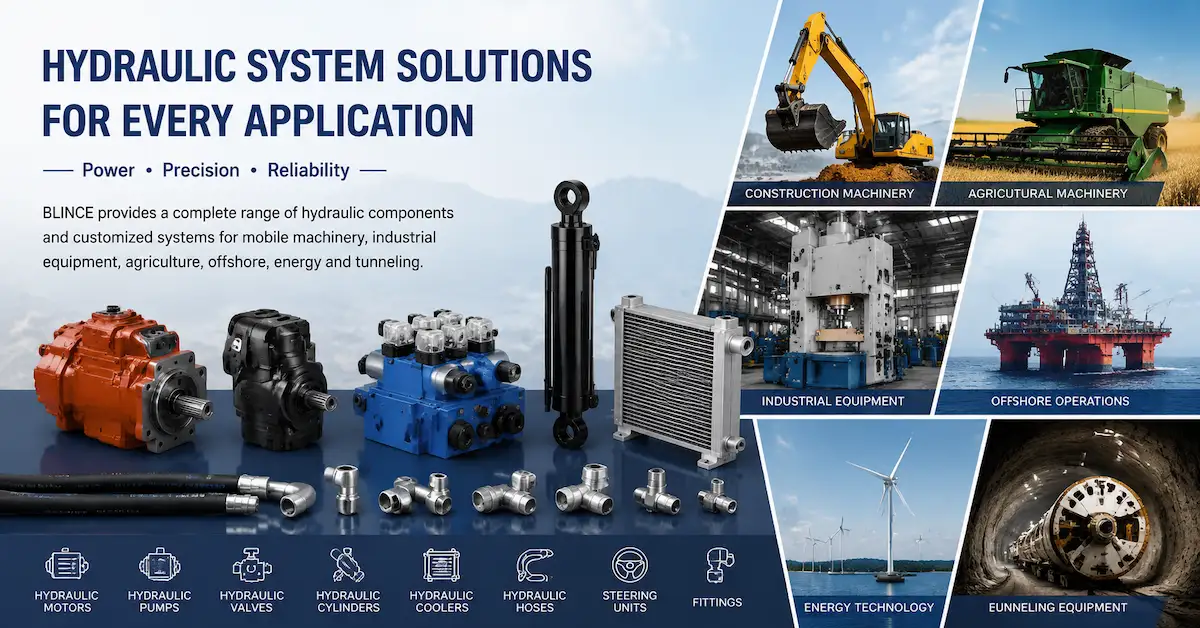
BLINCE provides hydraulic system components and solutions including hydraulic hoses, hydraulic pumps, hydraulic motors, hydraulic valves, and hydraulic cylinders.
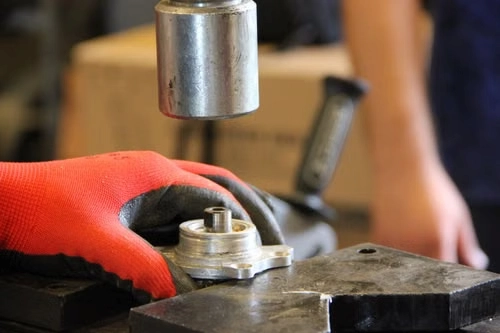
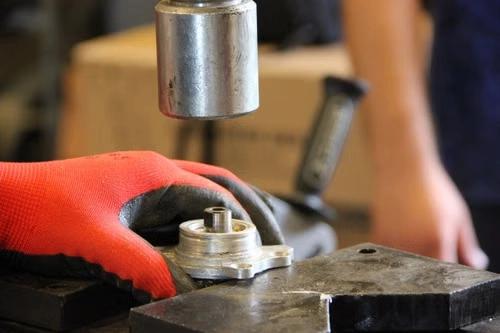
Hydraulic fitting supplier connection applications

Why Are Hydraulic Fittings Important in Hydraulic Systems?

Many buyers focus mainly on major hydraulic components:

  • Hydraulic pump
  • Hydraulic motor
  • Hydraulic valve
  • Hydraulic cylinder

However, connection components can directly influence system reliability.

A hydraulic system operates under pressure, vibration, temperature changes, and continuous movement.

Poor-quality fittings may lead to:

  • Hydraulic oil leakage
  • Pressure loss
  • Machine downtime
  • Safety risks
  • Increased maintenance costs

For example, a hydraulic hose with the correct pressure rating can still fail if the fitting connection is incorrectly selected.

The fitting must match:

  • Hose size
  • Thread type
  • Pressure rating
  • Material
  • Installation environment
  • Hydraulic fluid requirements

Therefore, hydraulic fitting selection should be considered as part of the complete hydraulic system design.

Types of Hydraulic Fittings

Different hydraulic applications require different connection solutions.

Hydraulic Hose Fittings

Hydraulic hose fittings connect flexible hydraulic hoses with other hydraulic components.

They are commonly used in:

  • Mobile machinery
  • Industrial equipment
  • Hydraulic power units
  • Agricultural machinery
  • Construction equipment

Important selection factors include:

Factor Importance
Hose size Ensures correct fluid flow
Pressure rating Prevents connection failure
Thread type Ensures component compatibility
Material Determines durability
Installation method Affects sealing reliability

BLINCE hydraulic hose solutions support different hydraulic applications where reliable fluid transfer is required.

Learn more about BLINCE hydraulic hose products.

Hydraulic Adapters

Hydraulic adapters are used to connect components with different connection requirements.

Common adapter types include:

  • Straight adapters
  • 45-degree adapters
  • 90-degree elbow adapters
  • Tee adapters
  • Cross adapters
  • Reducer adapters

Adapters help solve installation challenges such as:

  • Different thread standards
  • Limited installation space
  • Direction changes
  • Component replacement requirements

For OEM projects,adapter selection can affect:

  • Hose routing
  • Maintenance accessibility
  • System reliability

Hydraulic Thread Standards

One of the most important factors when selecting hydraulic fittings is thread compatibility.

Common hydraulic thread standards include:

Thread Standard Common Application
SAE North American hydraulic systems
BSP European and international applications
NPT Industrial hydraulic systems
Metric Machinery and equipment systems

Incorrect thread selection can cause:

  • Leakage
  • Installation difficulty
  • Seal damage
  • Connection failure

A professional hydraulic fitting supplier should understand different international standards and help buyers select suitable connection solutions.

How to Choose the Right Hydraulic Fitting Supplier?

Choosing a supplier requires more than comparing product prices.

OEM buyers should evaluate several key factors.

Check Pressure Rating Capability

Hydraulic systems operate under high pressure.

A suitable fitting must match the system pressure requirements.

Important parameters include:

  • Working pressure
  • Maximum pressure
  • Burst pressure
  • Safety factor

For high-pressure hydraulic applications, buyers should confirm that the fitting design and material can handle continuous operation.

A reliable supplier should provide technical specifications instead of only product names.

Evaluate Material Quality

Hydraulic fittings are commonly manufactured using materials such as:

  • Carbon steel
  • Stainless steel
  • Alloy materials

Material selection depends on:

  • Operating environment
  • Corrosion requirements
  • Pressure conditions
  • Service life expectations

For example:

Standard industrial equipment may use carbon steel fittings.

Marine or corrosive environments may require higher corrosion resistance.

Review Manufacturing Accuracy

Hydraulic fittings require accurate manufacturing because connection reliability depends on precision.

Important quality factors include:

  • Thread accuracy
  • Machining tolerance
  • Surface treatment
  • Sealing surface quality
  • Dimensional consistency

Poor machining quality may result in:

  • Improper sealing
  • Hydraulic leakage
  • Installation problems

For OEM customers, consistent manufacturing quality is especially important because repeated production requires stable dimensions.

Confirm Compatibility With Hydraulic Hoses

Hydraulic fittings and hoses must work together.

Before selecting fittings, buyers should confirm:

  • Hose inner diameter
  • Hose outer diameter
  • Working pressure
  • Connection type
  • Thread specification
  • Installation method

A mismatch between hose and fitting may reduce service life or create safety risks.
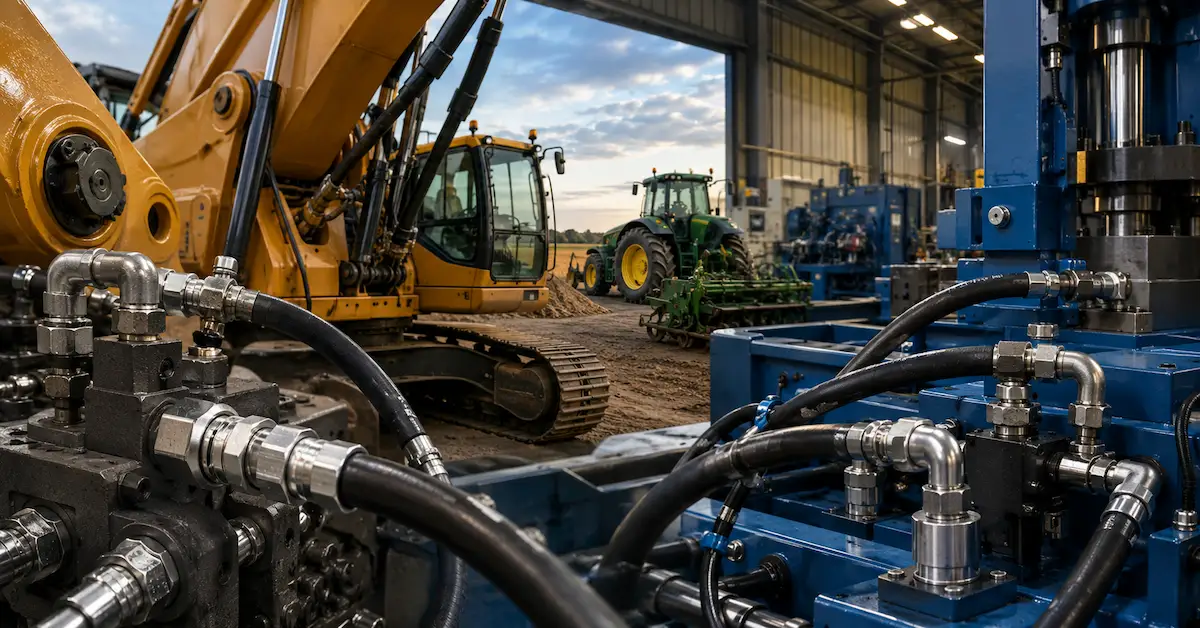
Hydraulic Fitting Selection Guide for OEM Buyers

For OEM machinery manufacturers and hydraulic system integrators, hydraulic fitting selection should be based on the complete system requirements rather than only the fitting size.

The correct hydraulic fitting needs to match:

  • Hydraulic pressure
  • Hose specification
  • Thread standard
  • Installation environment
  • Hydraulic fluid
  • Machine operating conditions

A wrong fitting choice may create problems that affect the entire hydraulic system.

Selection Factor What Buyers Should Confirm
Thread standard SAE, BSP, NPT, Metric or other standards
Pressure rating Working pressure and maximum pressure
Material Carbon steel, stainless steel or special alloys
Size Hose diameter and flow requirements
Connection type Hose, pipe, valve,pump or cylinder connection
Environment Temperature, vibration, corrosion and outdoor exposure
Application Mobile machinery, industrial equipment or special systems

A professional hydraulic fitting supplier should help customers confirm these parameters before production.

Hydraulic Fitting Applications in Different Industries

Hydraulic fittings are used across many industries because almost every hydraulic system requires reliable fluid connections.

Construction Machinery

Construction equipment requires hydraulic fittings that can withstand:

  • High pressure
  • Vibration
  • Shock loads
  • Dust and outdoor conditions

Common applications include:

  • Excavators
  • Loaders
  • Cranes
  • Drilling machines
  • Road construction equipment

In these machines,hydraulic fittings connect important components such as:

  • Hydraulic pumps
  • Hydraulic motors
  • Hydraulic cylinders
  • Control valves

Connection reliability directly affects machine uptime.

Industrial Equipment

Industrial hydraulic systems often require stable and continuous operation.

Applications include:

  • Hydraulic presses
  • Automation equipment
  • Manufacturing systems
  • Production machinery

These applications usually focus on:

  • Leakage prevention
  • Stable pressure transmission
  • Long service life
  • Easy maintenance

Agricultural Machinery

Agricultural equipment works in outdoor environments where hydraulic systems are exposed to:

  • Dust
  • Moisture
  • Temperature changes
  • Vibration

Common applications include:

  • Tractors
  • Harvesters
  • Farming equipment

Hydraulic fittings should provide:

  • Reliable sealing
  • Good durability
  • Easy replacement

Hydraulic Power Units

Hydraulic power units require many connection points between:

  • Pump
  • Valve block
  • Reservoir
  • Hose assembly
  • Actuator

Reliable fittings help maintain:

  • Stable pressure
  • Proper fluid flow
  • Reduced leakage risk

For customers developing hydraulic power solutions, fitting selection should be considered during the system design stage.

You can also review BLINCE hydraulic system-related products:

OEM Hydraulic Fitting Customization

Many OEM customers require more than standard hydraulic fittings.

Customized requirements may include:

  • Special dimensions
  • Custom thread specifications
  • Different materials
  • Surface treatment
  • Special connection designs
  • OEM packaging
  • Private label requirements

Custom hydraulic fittings are commonly required when:

  • Standard fittings cannot fit the machine structure
  • Installation space is limited
  • Existing components require replacement
  • Special environments require different materials

What Should OEM Buyers Ask a Hydraulic Fitting Supplier?

Before selecting a supplier, buyers should evaluate several areas.

Product Range

A reliable supplier should provide different fitting options, including:

  • Hose fittings
  • Hydraulic adapters
  • Elbow fittings
  • Tee fittings
  • Reducers
  • Custom connectors

A wider product range helps buyers reduce sourcing complexity.

Technical Support

Hydraulic fitting selection is sometimes difficult because different machines use different standards.

A supplier should be able to assist with:

  • Thread identification
  • Connection matching
  • Pressure confirmation
  • Material selection
  • Replacement evaluation

Technical support is especially important for international OEM customers because different markets may use different standards.

Quality Control

Hydraulic fittings directly influence system safety.

Buyers should ask suppliers about:

  • Raw material inspection
  • Machining process
  • Thread inspection
  • Surface treatment
  • Dimensional inspection
  • Pressure testing

A documented quality process helps ensure consistent performance between production batches.

Supply Capability

For OEM customers and distributors, long-term supply stability is important.

Evaluate:

  • Production consistency
  • Repeat order capability
  • Packaging requirements
  • Delivery communication
  • Product documentation

A supplier should support not only the first order but also future production needs.

Hydraulic Fitting Supplier vs General Hardware Supplier

Hydraulic fittings are precision components designed for pressurized fluid systems.

They should not be compared with general hardware connectors.

Factor Hydraulic Fitting Supplier General Hardware Supplier
Application knowledge Hydraulic system focused General connection products
Pressure understanding Hydraulic pressure requirements Limited pressure knowledge
Thread standards SAE, BSP, NPT,Metric General standards
Testing Hydraulic inspection and testing Basic inspection
Customization OEM hydraulic requirements Limited options
Technical support System-based support Product-based support

For hydraulic applications, choosing a specialized supplier reduces compatibility and reliability risks.

Common Hydraulic Fitting Problems and Solutions

Hydraulic Leakage

Leakage is one of the most common hydraulic connection problems.

Possible causes include:

  • Incorrect thread selection
  • Damaged sealing surface
  • Incorrect installation
  • Loose connection
  • Excessive pressure

Solutions:

  • Confirm fitting specifications
  • Use correct sealing methods
  • Check installation torque
  • Replace damaged components

Wrong Thread Selection

Using incompatible threads may create:

  • Leakage
  • Poor sealing
  • Installation problems
  • Component damage

Common mistakes include confusing:

  • BSP and NPT
  • Metric and SAE
  • Different thread sizes

A professional hydraulic fitting supplier should confirm thread standards before manufacturing or shipment.

Hydraulic Fitting Failure

Possible causes:

  • Incorrect pressure rating
  • Poor material selection
  • Excessive vibration
  • Improper installation
  • Corrosion

Prevention methods include:

  • Selecting suitable materials
  • Checking operating pressure
  • Using correct installation procedures
  • Regular inspection

What Information Should Buyers Provide for Hydraulic Fitting Quotation?

To receive an accurate quotation,buyers should provide:

Product Information

  • Fitting type
  • Quantity
  • Existing model number
  • Photos
  • Drawings if available

Technical Requirements

  • Thread type
  • Size
  • Pressure rating
  • Material requirement
  • Surface treatment
  • Application environment

System Information

  • Hydraulic hose specification
  • Connected components
  • Working pressure
  • Hydraulic oil type
  • Operating temperature

Providing complete information helps suppliers recommend suitable fittings instead of supplying products based only on appearance.

Why Choose BLINCE as Your Hydraulic Fitting Supplier?

BLINCE focuses on hydraulic system solutions and related hydraulic components for industrial and mobile machinery applications.

The company's hydraulic product portfolio includes:

  • Hydraulic hoses
  • Hydraulic pumps
  • Hydraulic motors
  • Hydraulic valves
  • Hydraulic cylinders
  • Hydraulic coolers
  • Hydraulic system solutions

Explore BLINCE products:

BLINCE supports customers through:

  • Hydraulic component selection
  • System compatibility evaluation
  • OEM project communication
  • Application support
  • Technical consultation

For OEM manufacturers, distributors, and hydraulic system integrators, working with a supplier that understands complete hydraulic systems can help improve connection reliability and reduce sourcing risks.

FAQ

What does a hydraulic fitting supplier provide?

A hydraulic fitting supplier provides connection components used in hydraulic systems, including hose fittings, adapters, connectors, and customized hydraulic connection solutions.

How do I choose a reliable hydraulic fitting supplier?

Evaluate product quality, pressure capability, thread standards, material options, manufacturing accuracy, customization ability, technical support, and supply reliability.

What are the most common hydraulic fitting thread standards?

Common standards include SAE, BSP, NPT, and Metric threads. The correct choice depends on the hydraulic system design and application requirements.

Why are hydraulic fittings important in hydraulic systems?

Hydraulic fittings connect pumps, valves, motors, cylinders, and hoses while maintaining pressure transmission and preventing fluid leakage.

Can hydraulic fittings be customized?

Yes. Depending on requirements, hydraulic fittings can be customized in dimensions, threads, materials, surface treatment, connection design, and packaging.

How do I prevent hydraulic fitting leakage?

Choose the correct fitting type, confirm thread compatibility, use proper installation procedures, and ensure the fitting matches system pressure requirements.

What information is needed for hydraulic fitting quotation?

Buyers should provide fitting type, size, thread standard, pressure rating, material requirements, application information, quantity, and drawings or photos when available.

Can hydraulic fittings be used with any hydraulic hose?

No. Hydraulic fittings must match hose size, pressure rating, connection type, and application requirements.

What industries use hydraulic fittings?

Hydraulic fittings are widely used in construction machinery, industrial equipment, agricultural machinery, hydraulic power units, marine systems, and special machinery.

Does BLINCE provide hydraulic system components?

Yes. BLINCE supplies hydraulic components including hydraulic hoses, pumps, motors, valves, cylinders, coolers, and hydraulic system solutions.

Conclusion

Selecting the right hydraulic fitting supplier is an important part of building reliable hydraulic systems.

Although hydraulic fittings are small components, they directly influence:

  • System safety
  • Pressure stability
  • Leakage prevention
  • Maintenance costs
  • Machine reliability

For OEM manufacturers, distributors, and hydraulic system integrators, the best supplier should provide more than standard fittings. They should understand hydraulic applications, connection requirements, international standards, customization needs, and long-term supply requirements.

BLINCE provides hydraulic components and system support for customers requiring reliable hydraulic solutions.

If you need hydraulic fittings or hydraulic system components for your machinery project, contact BLINCE Hydraulic with your specifications, drawings, application requirements, and quantity information for technical evaluation and quotation.


Related Blogs

Company Logo

Have Questions? We're Here to Help!

Our expert team is ready to assist you with any inquiries about our products, services, or technical support. Get in touch with us today and let's discuss how we can help you achieve your goals.

Quick Response
Expert Support
24/7 Available

Featured Blogs

Hydraulic Fittings Manufacturer: 10 Checks OEM Buyers Should Make Before Bulk Ordering

Hydraulic Fittings Manufacturer: 10 Checks OEM Buyers Should Make Before Bulk Ordering

Choosing a hydraulic fittings manufacturer is not only about finding the right thread size or receiving a competitive quotation. This guide helps OEM manufacturers, hydraulic distributors, system integrators, and maintenance buyers evaluate fitting standards, materials, machining accuracy, sealing design, testing, customization, production consistency, and commercial risk before approving a supplier.

Hydraulic Fitting Supplier: How OEM Buyers Choose Reliable Hydraulic Connections

Hydraulic Fitting Supplier: How OEM Buyers Choose Reliable Hydraulic Connections

Choosing the right hydraulic fitting supplier is essential for building reliable hydraulic systems. This guide explains how OEM manufacturers, distributors, and hydraulic system integrators evaluate hydraulic fittings based on connection standards, pressure ratings, material quality, compatibility, customization capability, and long-term supply reliability.

Hydraulic System Supplier: 9 Checks OEM Buyers Should Make Before Sourcing

Hydraulic System Supplier: 9 Checks OEM Buyers Should Make Before Sourcing

Choosing a hydraulic system supplier is a supply-chain and engineering decision, not simply a price comparison. This guide helps OEM manufacturers, distributors, system integrators, and maintenance buyers evaluate product coverage, compatibility, quality control, customization, replacement support, documentation, and long-term supply risk before placing an order.

Hydraulic System Manufacturer: How OEM Buyers Choose the Right Partner for Reliable Machinery

Hydraulic System Manufacturer: How OEM Buyers Choose the Right Partner for Reliable Machinery

Choosing a hydraulic system manufacturer involves more than comparing pumps, valves, motors, and cylinders individually. This guide explains how OEM machinery manufacturers, system integrators, distributors, and engineering buyers can evaluate component matching, system pressure and flow, thermal control, manufacturing quality, customization, testing, and long-term technical support.

Stay in Touch

Subscribe to our emails to get the latsest news

    Contact Us Now!

    Copyright© 2025 Dongguan Blince Machinery & Electronics Co., Ltd. All Rights Reserved.