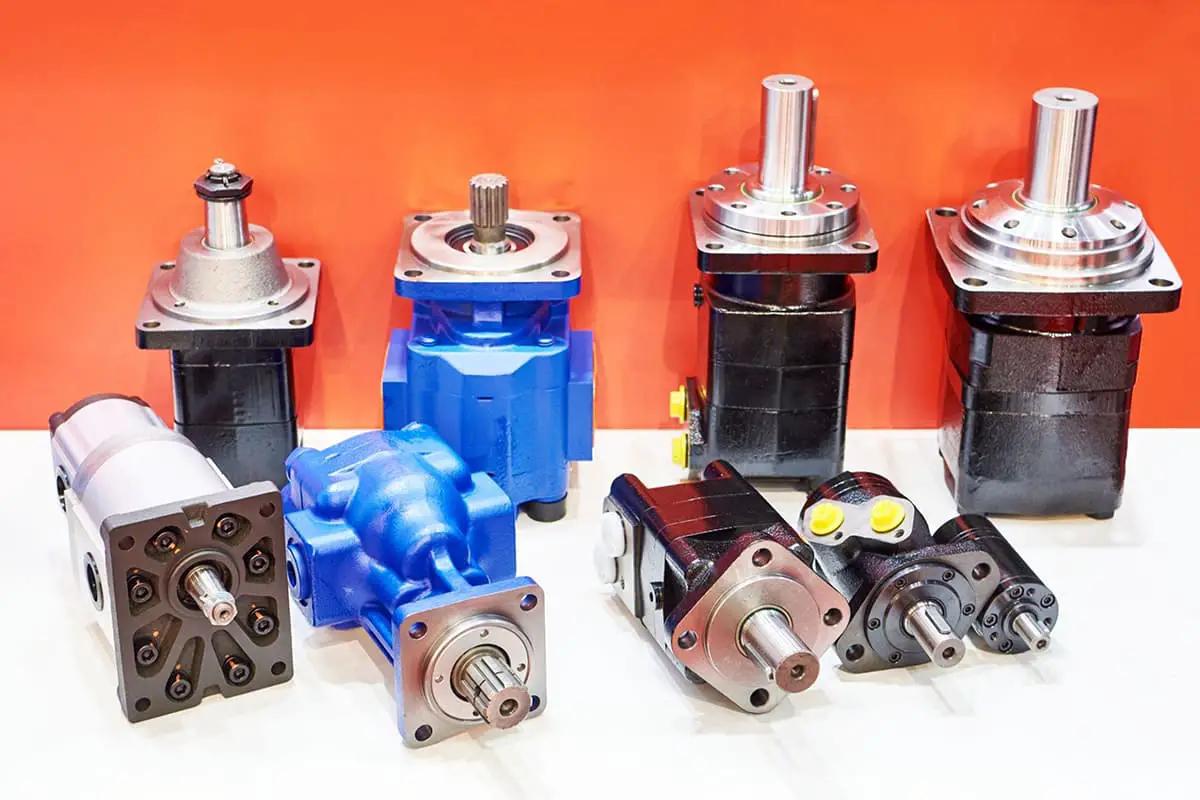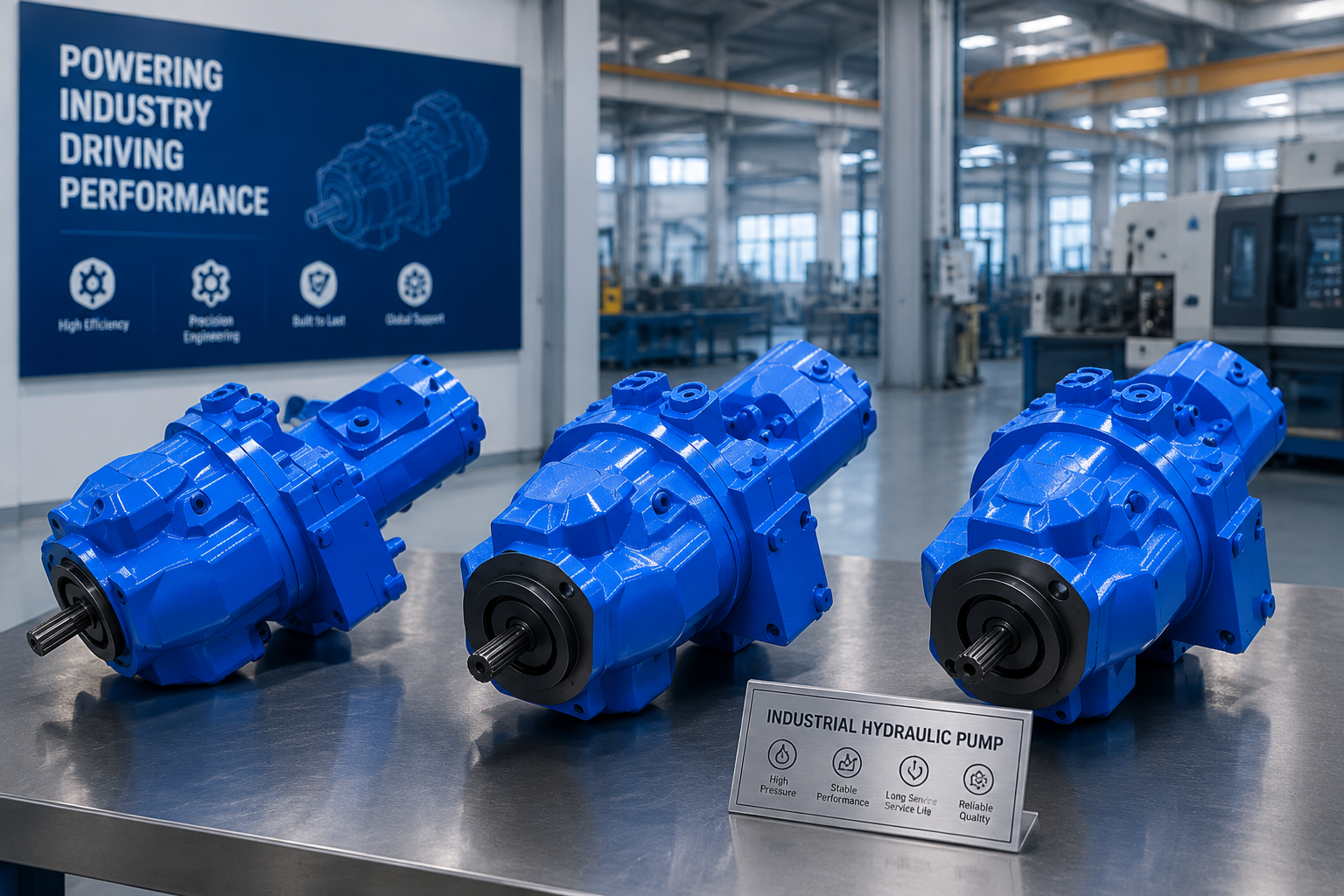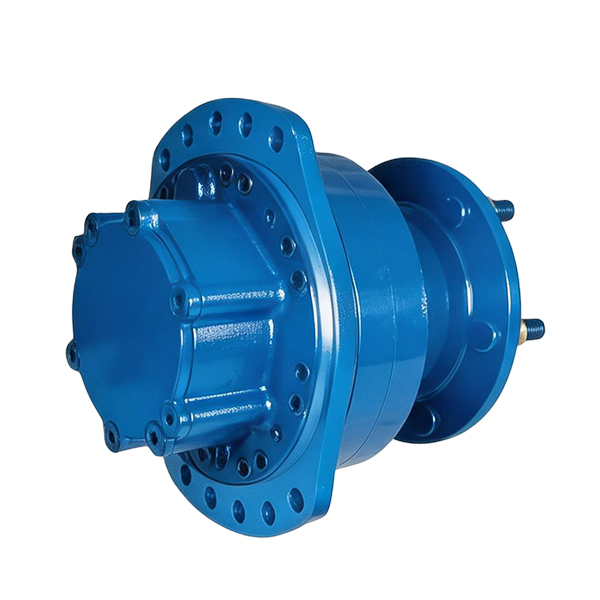



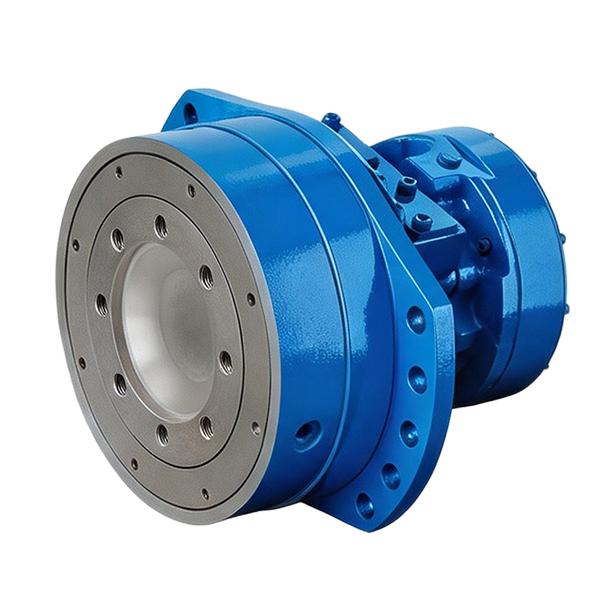
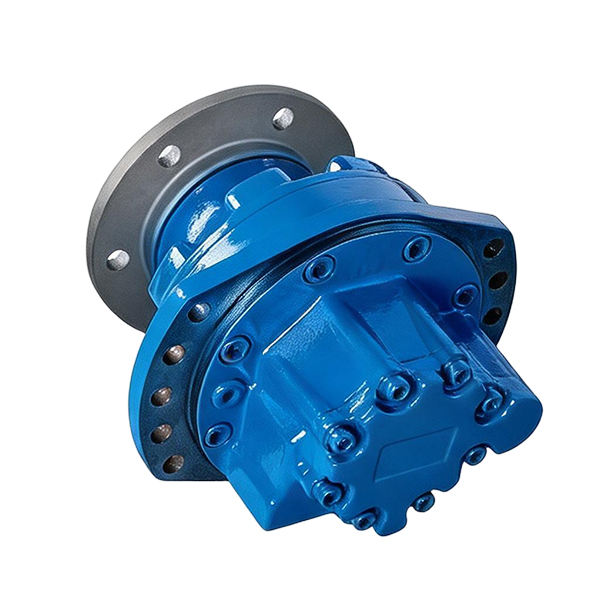
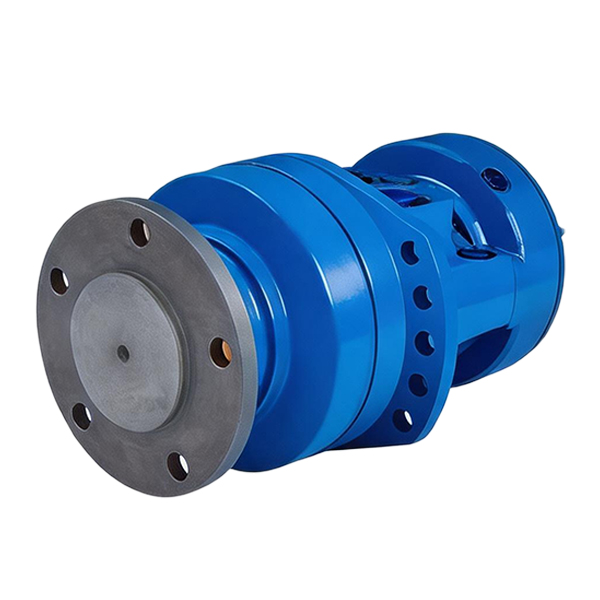
A radial piston hydraulic travel motor converts hydraulic pressure and flow into low-speed, high-torque rotary motion for tracked and wheeled heavy equipment. In North America construction equipment hydraulics, a travel motor failure can stop an excavator, skid steer loader, drilling rig, or mining vehicle even when the engine and main hydraulic pump are still operating. The three questions technicians usually need to answer first are: Is the fault caused by pressure loss, internal motor leakage, or mechanical damage? Is the failure located in the motor, final drive gearbox, control valve, or swivel joint? What maintenance condition allowed the failure to develop? This guide focuses on radial piston travel motors, including widely used models like the MCR03 series multipurpose hydraulic travel motor and MCR05 series hydraulic travel motor, which are commonly found in skid steer loaders and mid-sized excavators across North America.
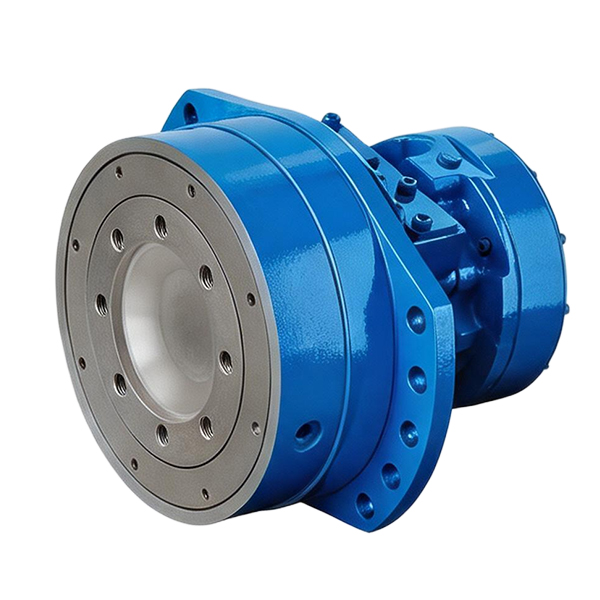
Unlike a general repair checklist, radial piston hydraulic travel motor troubleshooting should begin with the failure mechanism. A radial piston unit has different wear patterns from a gear motor or axial piston motor because torque is generated through radial piston force, an eccentric load path, and a distribution system. This article explains the core failure modes, then analyzes five common faults: power loss, noise and vibration, uneven travel, high-speed mode failure, and oil leakage. It also adds preventive maintenance standards for hydraulic motor service California, heavy equipment maintenance USA, and cold-region North America applications. For larger machines, the same diagnostic logic applies to heavy-duty units such as the MCR10 series hydraulic travel motor and specialized designs such as the MK18 series hydraulic travel motor.
Fundamental Failure Mechanisms of Radial Piston Travel Motors
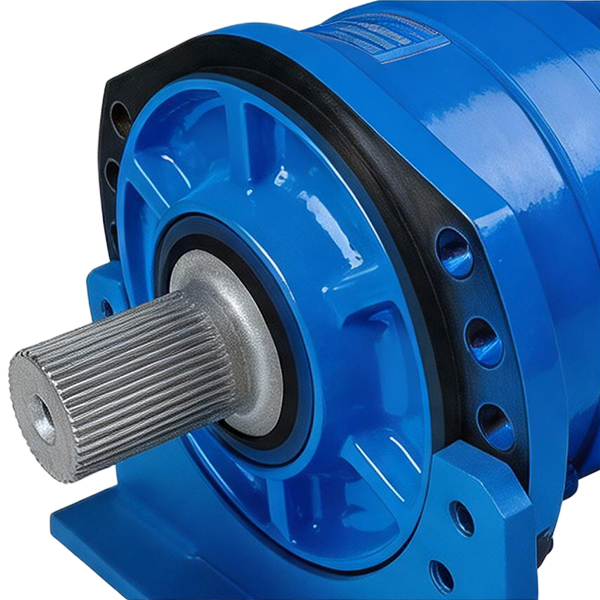
A radial piston travel motor normally contains a cylinder block, pistons, distribution plate or valve plate, eccentric structure, bearings, seals, and output shaft. Pressurized oil enters selected piston chambers, pushes the pistons outward, and converts radial force into shaft torque through the eccentric or cam-based mechanism. Failure usually begins when one of three basic conditions occurs: hydraulic oil contamination, insufficient lubrication, or overload operation beyond the intended pressure and load cycle. These failure mechanisms are consistent across radial piston designs, from compact models like the MCR03 series multipurpose hydraulic travel motor to heavy-duty units like the MCR10 series hydraulic travel motor.
Radial piston motor failure differs from gear motor and axial piston motor failure. Gear motors often show tooth surface pitting, end plate wear, or housing scoring caused by gear mesh loads. Axial piston motors frequently show slipper wear, swash plate scoring, or cylinder block face damage. Radial piston motors are more likely to show distribution plate wear, piston sticking, eccentric load path wear, bearing overload, or case drain flow increase caused by internal leakage. These distinctions matter when comparing field symptoms with model-specific information in the complete hydraulic motor technical documentation.
Fault Symptom, Root Cause, and Inspection Matrix
|
Fault Symptom |
Probable Root Cause |
First Inspection Step |
Quantitative Reference |
|---|---|---|---|
|
Weak travel or slow climbing |
Low system pressure, worn charge pump, internal leakage |
Measure working pressure under load |
Compare with documented rated pressure; MCR03/MCR05 data list 25 MPa rated pressure and 31.5 MPa maximum pressure |
|
Sharp noise or periodic vibration |
Bearing wear, gear oil loss, piston sticking |
Separate hydraulic motor noise from final drive noise |
Check vibration trend and gearbox oil contamination |
|
One side not moving |
Motor fault, swivel joint leakage, valve output imbalance |
Swap left/right hydraulic lines where safe |
A side-to-side pressure deviation above 10–15% under the same command suggests imbalance |
|
High-speed mode unavailable |
Dual-displacement valve fault or internal shift piston sticking |
Check control signal and pilot oil path |
Confirm pilot pressure and electrical signal before disassembly |
|
External oil leakage |
Seal aging, loose fasteners, housing crack, excessive case pressure |
Identify static or dynamic seal source |
Case pressure should remain within manufacturer limit |
The table above should be treated as a starting point rather than a substitute for machine-specific service data. For example, a pressure value that is normal for one skid steer loader hydraulic drive system may be insufficient for a different excavator final drive. Case drain flow must also be compared with baseline data, oil temperature, and operating pressure, because leakage naturally increases as oil temperature rises. When exact thresholds are required, technicians should verify them against the complete hydraulic motor technical documentation.
1. Power Loss and Slow Travel Speed
Power loss is one of the most common results in hydraulic travel motor power loss diagnosis. Typical symptoms include reduced climbing ability, a noticeable drop in speed under load, weak travel on one side, or poor acceleration after direction change. Root causes include insufficient system pressure, worn charge pump, relief valve malfunction, internal leakage at the distribution plate, excessive piston clearance, or final drive gearbox wear. The MCR05 series hydraulic travel motor uses a cast iron housing and precision-machined components, which makes internal tolerance control important during long operating cycles.
A structured test should begin with pressure measurement at the travel circuit under load, followed by charge pump flow inspection and case drain flow testing. For documented MCR03 and MCR05 data, rated pressure is 25 MPa and maximum pressure is 31.5 MPa, but maximum pressure should not be treated as a continuous working value. If case drain flow is significantly higher than the motor’s historical baseline, internal leakage through the distribution plate, piston group, or sealing surfaces should be suspected. Design-level prevention includes harder distribution surfaces, stable piston sealing geometry, correct filtration, and avoiding continuous operation at relief pressure.
2. Abnormal Noise and Vibration
Noise and vibration can originate from the hydraulic motor, final drive gearbox, bearing system, or track mechanism. A sharp hydraulic whine often indicates cavitation, insufficient inlet pressure, or aerated oil. A grinding sound usually points toward bearing damage, gear tooth wear, or metal contamination in the gearbox. For heavy-duty mining applications, the MCR10 series hydraulic travel motor is positioned for higher load capacity, where bearing support and shock-load resistance become central design factors.
The first diagnostic step is source separation. Run the machine at low speed, listen at the motor housing and final drive housing separately, and compare both sides under the same command. Check gear oil level, oil color, metal particles, and contamination. A vibration analyzer can help identify bearing defects by frequency pattern, while hydraulic pressure oscillation can indicate piston sticking or distribution plate damage. Design-level prevention includes bearing sizing for shock load, correct gear mesh design, clean oil management, and avoiding sudden direction reversal under full load when diagnosing skid steer loader travel motor noise troubleshooting.
3. Uneven Travel or One Side Not Working
Uneven travel may appear as one track moving slower, the machine drifting during straight travel, poor turning response, or one side not moving at all. The fault can be inside the travel motor, but it may also be caused by a central swivel joint leak, control valve output imbalance, brake release failure, or hose restriction. The MCR03 series multipurpose hydraulic travel motor uses interchangeable mounting logic in compact equipment applications, which can simplify replacement comparison when mechanical dimensions and hydraulic ports match the original unit.
A practical field method is to swap the left and right motor lines only when the machine design allows it and safety procedures are followed. If the fault moves to the opposite side, the upstream hydraulic circuit is likely involved. If the same side remains weak, the motor, brake, or final drive assembly should be inspected. A pressure difference greater than 10–15% between sides under the same command is a useful screening indicator, though the exact allowable deviation depends on the machine. Design prevention includes standardized interfaces, protected hoses, stable brake release circuits, and control valve layouts that reduce pressure imbalance.
4. High-Speed Mode Failure
Many travel systems use dual-displacement operation to switch between high-torque/low-speed and lower-torque/higher-speed modes. High-speed mode failure may appear as inability to shift, severe power loss after shifting, unstable travel speed, or automatic return to low-speed mode. Root causes include a faulty dual-displacement control valve, insufficient pilot pressure, blocked internal shift oil passages, a stuck variable piston, or contamination around the displacement change mechanism. Many modern radial piston motors, including the MCR05 series hydraulic travel motor, offer dual-displacement options for equipment requiring two travel speed ranges.
Diagnosis should start outside the motor. Test the electrical command, solenoid resistance, pilot pressure, and valve spool response before disassembling the travel motor. If the control signal is normal but the motor does not shift, inspect the internal hydraulic passage and variable mechanism for contamination or scoring. If the machine shifts but loses tractive force, the selected displacement may be too small for the current load, or system pressure may be insufficient. Design prevention includes contamination-tolerant shift passages, anti-sticking valve geometry, adequate pilot pressure margin, and correct operator training for switching speed modes under load.
5. Hydraulic Oil Leaks
Oil leakage may occur at static seals, shaft seals, port connections, housing joints, or the interface between the travel motor and final drive gearbox. Symptoms include oil stains on the housing, rapid gearbox oil level change, unstable hydraulic pressure, reduced travel force, or contamination around the track frame. In excavator track motor oil leak repair, identifying the leak path is more important than replacing seals immediately. The MK18 series hydraulic travel motor is positioned for harsh operating environments where sealing structure, material compatibility, and contamination resistance are important design considerations.
The first step is to clean the housing and run the machine briefly under controlled conditions to identify the source. Static seal leaks often appear at covers or port connections, while dynamic seal leaks appear near rotating shafts. Excessive case pressure can force oil past otherwise functional seals, so case drain restriction must be checked before seal replacement. Seal aging is accelerated by high oil temperature, incompatible fluid, abrasive dust, and pressure pulses. Design prevention includes suitable elastomer selection, low case pressure routing, controlled surface roughness, and protection from external abrasive contamination in California desert construction sites and other dry regions.
Step-by-Step Troubleshooting Flowchart
-
Confirm the symptom: weak travel, noise, drift, speed mode failure, or oil leak.
-
Compare left and right sides under the same operating condition.
-
Measure working pressure, pilot pressure, charge pressure, and case drain flow.
-
Inspect oil cleanliness, water content, gear oil level, and visible particles.
-
Separate hydraulic circuit faults from motor and final drive faults.
-
Check brake release pressure and control valve output.
-
Disassemble only after external hydraulic and electrical causes are excluded.
-
Compare worn parts with the manufacturer’s technical documentation before deciding on repair or replacement.
This flowchart reduces unnecessary motor disassembly. Many travel complaints are caused by upstream pressure control, blocked filters, failed brake release, or contaminated oil rather than immediate motor fracture. Conversely, a motor with high case drain flow, metal particles, and low torque under correct pressure usually requires internal inspection. Recording pressure, flow, temperature, and oil cleanliness before repair gives fleet managers a baseline for later heavy equipment maintenance USA decisions.
Preventive Maintenance Schedule for North American Operating Conditions
|
Region or Condition |
Daily |
Weekly |
Monthly |
Annual or 1,000–2,000 Hours |
|---|---|---|---|---|
|
California hot and dusty sites |
Check oil level and visible leakage |
Clean cooler and inspect breather |
Test oil cleanliness; target NAS 8 or cleaner where practical |
Replace oil and filters based on analysis |
|
U.S. Northeast humid sites |
Check water contamination signs |
Inspect seals and venting |
Sample oil for water and oxidation |
Inspect corrosion-sensitive interfaces |
|
Canadian low-temperature sites |
Warm up before full load |
Check hose stiffness and seal leakage |
Verify cold-start pressure spikes |
Use temperature-suitable oil grade |
|
Mining or high-shock duty |
Inspect fasteners and final drive oil |
Check vibration and noise trend |
Measure case drain flow trend |
Inspect bearings, seals, and distribution surfaces |
For model-specific maintenance requirements, refer to the complete hydraulic motor technical documentation provided by the manufacturer. Daily inspection should include oil level, visible leakage, abnormal sound, track response, and temperature change. Weekly inspection should include connection bolts, cooler cleanliness, breather condition, and hose abrasion. Monthly inspection should include hydraulic oil contamination testing, pressure verification, and case drain trend monitoring. Annual maintenance should include oil and filter replacement, gearbox oil inspection, seal evaluation, and internal inspection if pressure or leakage data suggests wear.
Design-Level Prevention Measures
Preventive design begins with matching displacement, pressure, flow, and duty cycle to the machine’s real working load. A motor that is too small may operate near relief pressure for long periods, increasing heat and internal wear. A motor that is too large may reduce speed and create poor controllability if pump flow is insufficient. Severe-duty applications may require reinforced bearing support, improved sealing, and higher contamination tolerance; this is why harsh-condition units such as the MK18 series hydraulic travel motor are evaluated separately from general-purpose travel motors.
Technical Glossary
|
Term |
Technical Meaning |
|---|---|
|
Case drain flow |
Leakage flow returning from the motor housing to tank. |
|
Charge pressure |
Auxiliary pressure used to maintain inlet supply and prevent cavitation. |
|
Displacement |
Oil volume required for one motor revolution. |
|
Rated pressure |
Pressure allowed for continuous operation under specified conditions. |
|
Maximum pressure |
Short-duration pressure limit, not a continuous rating. |
|
Volumetric efficiency |
Ratio of useful flow to theoretical flow after leakage losses. |
|
Mechanical efficiency |
Ratio of actual output torque to theoretical torque. |
|
Dual displacement |
Motor configuration with two selectable displacement states. |
|
Cavitation |
Vapor cavity formation caused by low inlet pressure. |
|
Distribution plate |
Component controlling oil flow into and out of piston chambers. |
FAQ
1. What are the most common hydraulic travel motor problems in California construction equipment?
In California construction equipment, common hydraulic travel motor problems include power loss, oil leakage, abnormal noise, overheating, and slow travel speed. High ambient temperatures, dusty job sites, and long operating hours can accelerate seal aging, oil contamination, and internal wear in radial piston hydraulic travel motors.
2. How should heavy equipment operators in the USA diagnose travel motor power loss?
Heavy equipment operators in the USA should begin travel motor power loss diagnosis by checking system pressure, charge pressure, hydraulic oil cleanliness, case drain flow, and final drive gearbox condition. If pressure is normal but case drain flow is excessive, internal leakage inside the hydraulic travel motor may be the root cause.
3. Why do hydraulic travel motors leak oil in North American mining equipment?
Hydraulic travel motors used in North American mining equipment may leak oil due to aged seals, excessive case pressure, damaged shaft seals, loose port connections, housing cracks, or contamination-related wear. Mining applications often involve shock loads, abrasive dust, and long duty cycles, which increase the risk of seal and bearing failure.
4. What maintenance schedule is recommended for hydraulic travel motors in California?
For hydraulic motor service in California, daily visual leak checks, weekly cooler cleaning, monthly oil contamination testing, and annual hydraulic oil and filter replacement are recommended. In hot and dusty areas, oil cleanliness should be monitored more frequently, and the hydraulic system should target NAS 8 cleanliness or better where practical.
5. How does cold weather in Canada affect hydraulic travel motor performance?
In Canadian low-temperature conditions, hydraulic oil viscosity increases, which can cause slow response, pressure spikes, cavitation noise, and delayed brake release. Before applying full load, operators should allow the hydraulic system to warm up and use oil viscosity grades suitable for cold-weather operation.
6. When should a hydraulic travel motor be repaired instead of replaced?
A hydraulic travel motor may be repaired when damage is limited to seals, bearings, or replaceable wear surfaces. Replacement is usually more practical when the piston group, distribution plate, housing, eccentric load path, or final drive interface shows severe wear, cracking, or metal contamination damage.
7. What is the best way to extend hydraulic travel motor service life in North American heavy equipment?
The best way to extend hydraulic travel motor service life is to control oil cleanliness, maintain correct oil temperature, avoid continuous overload operation, monitor case drain flow, replace filters on schedule, and investigate abnormal noise or leakage early. Preventive maintenance is especially important for heavy equipment maintenance in the USA and North American mining applications.
Conclusion
Radial piston hydraulic travel motor troubleshooting should not begin with part replacement. It should begin with failure mechanism analysis: contamination, lubrication loss, overload, pressure imbalance, leakage increase, and mechanical wear. The five common failures—power loss, abnormal noise, uneven travel, high-speed mode failure, and oil leakage—can be diagnosed more accurately when pressure, flow, temperature, case drain, and oil cleanliness are measured together.
Preventive maintenance is usually more economical than repairing a failed final drive after secondary damage has occurred. In North American equipment fleets, climate-specific maintenance is especially important: California heat and dust accelerate seal and oil degradation, humid regions increase water contamination risk, and Canadian cold-start conditions increase viscosity-related stress. Correct motor selection, controlled operating habits, and clean hydraulic oil have a direct effect on service life. For more information on radial piston hydraulic travel motors and their applications, explore the complete hydraulic motor technical documentation.
Explore Our OEM Hydraulic Motor Solutions
👉 https://www.blincehydraulic.com/products