
Home/News & Events/Product News/
When to Replace a Hydraulic Pump and How to Avoid System Failure

When to Replace a Hydraulic Pump and How to Avoid System Failure

logo

Written by

zf1752727681

Published

May 15 2026

  • Product News
  • Applications
  • Mobile Machinery

Follow us

hydraulic-pump-replacement

hydraulic pump replacement

When Hydraulic Pump Replacement Is Delayed, System Failure Becomes Inevitable

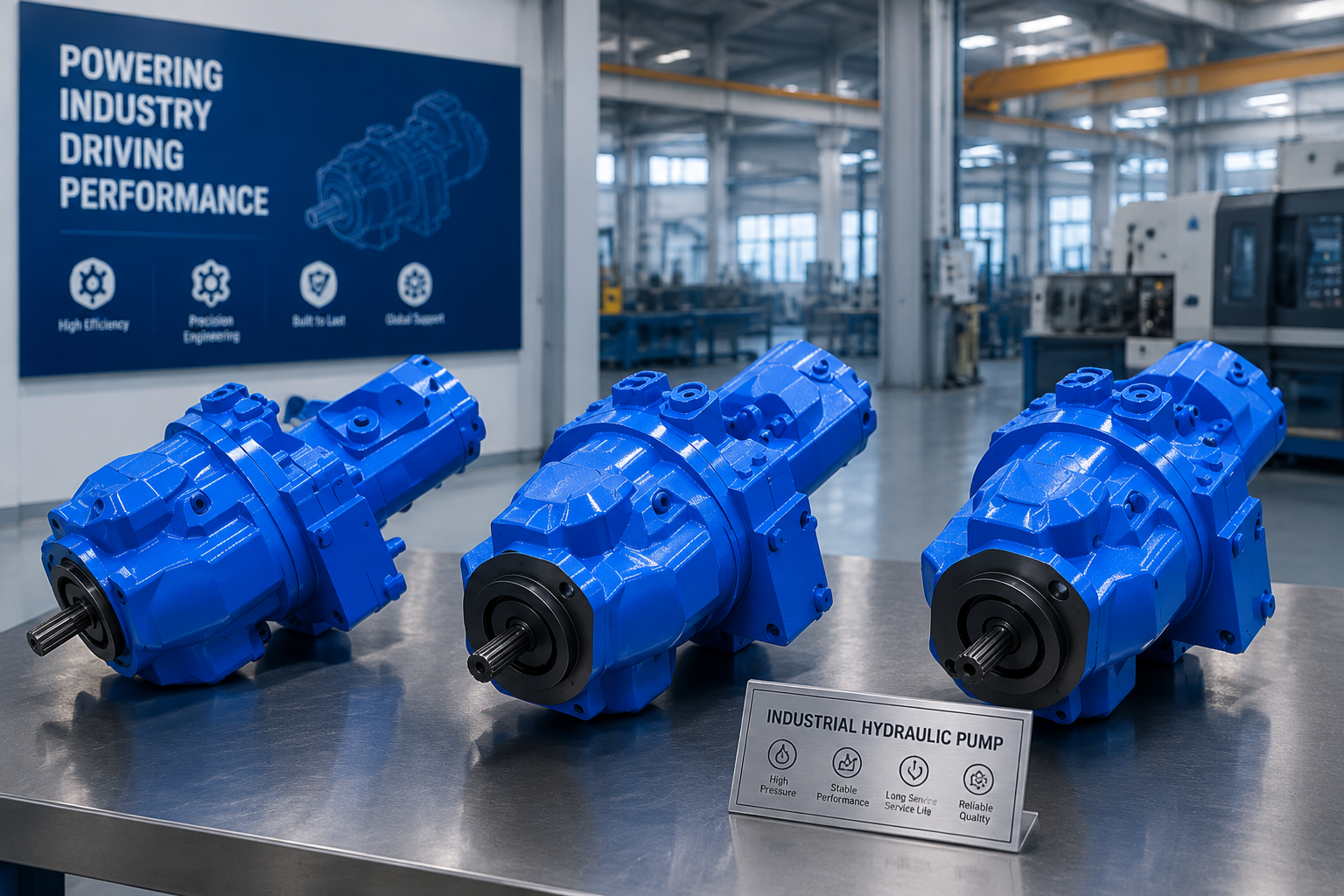
In industrial systems and heavy equipment, hydraulic pumps operate continuously under pressure. Over time, wear and internal leakage reduce performance, yet many operators delay hydraulic pump replacement until a complete system failure occurs.

Typical early signs include unstable pressure, reduced flow output, increased noise, and rising oil temperature. These symptoms often appear gradually and are easy to ignore—but they indicate that the pump is already losing efficiency.

At Blince Hydraulic, we help customers identify the right timing for hydraulic pump replacement, ensuring system stability while avoiding unexpected downtime and costly repairs.


Internal Wear and Material Fatigue Drive the Need for Replacement

Hydraulic pumps operate under constant pressure cycles, leading to inevitable wear of internal components.

Common causes include:

  • Wear of internal moving parts reducing efficiency
  • Seal degradation causing internal leakage
  • Surface fatigue under continuous high pressure

Key technical factors:

  • Declining volumetric efficiency
  • Increased internal leakage
  • Reduced pressure stability

According to insights from National Fluid Power Association, internal wear and leakage are the primary causes of hydraulic system performance loss.

Blince recommends timely hydraulic pump replacement to prevent further system damage.


Why Delayed Replacement Increases System Risk

Extending the life of a worn pump may reduce short-term cost, but it significantly increases long-term risk.

A failing pump can cause:

  • Pressure instability across the system
  • Overheating and reduced efficiency
  • Damage to connected components
  • Unexpected equipment downtime

At Blince Hydraulic, we emphasize proactive replacement strategies to maintain system reliability and avoid cascading failures.


Matching Replacement Pumps to Real Application Conditions

Replacing a hydraulic pump is not just about selecting the same model—it requires matching the pump to actual operating conditions.

Construction Equipment

Requires pumps capable of handling load variation and high pressure.

Industrial Machinery

Needs stable flow for continuous operation.

Material Handling Systems

Requires consistent pressure for smooth performance.

Heavy Equipment

Demands durability and long service life.

Blince ensures that each hydraulic pump replacement is optimized for real working conditions.


Performance Comparison: Worn Pump vs New Replacement Pump

Parameter Worn Pump Blince Replacement Pump
Flow Output Reduced Restored
Pressure Stability Unstable Stable
Efficiency Low Optimized
Heat Generation High Reduced
Reliability Poor High

Replacing at the right time significantly improves system performance.


Case Example: Preventing Downtime in Industrial Equipment

An industrial customer experienced repeated system shutdowns due to declining pump performance.

Problems Identified:

  • Pressure fluctuation
  • Reduced system efficiency
  • Frequent maintenance

Blince Solution:

  • Replaced worn pump with optimized high-performance model
  • Improved sealing system
  • Adjusted specifications to match operating conditions

Results:

  • Stable system performance
  • Reduced downtime
  • Extended maintenance intervals

This case highlights the importance of timely hydraulic pump replacement.


Key Signs That Indicate Hydraulic Pump Replacement Is Needed

When evaluating whether to replace a pump, consider:

Pressure Instability

Does the system fail to maintain stable pressure?

Reduced Flow

Is output lower than expected?

Noise and Vibration

Are unusual sounds or vibrations present?

Increased Maintenance

Are repairs becoming more frequent?

Blince helps customers identify these signs early and choose the right replacement solution.


Timely Replacement Ensures Long-Term System Stability

Hydraulic pump replacement is a critical step in maintaining system performance. Delaying replacement increases risk, while choosing the right pump improves efficiency and reliability.

Blince Hydraulic provides reliable replacement solutions designed for industrial applications, ensuring stable performance and long service life.

Explore Our Replacement Solutions

👉 https://www.blincehydraulic.com/products
Contact Our Team for Support

👉 https://www.blincehydraulic.com/contact-us

Related Blogs

Company Logo

Have Questions? We're Here to Help!

Our expert team is ready to assist you with any inquiries about our products, services, or technical support. Get in touch with us today and let's discuss how we can help you achieve your goals.

Quick Response
Expert Support
24/7 Available

Featured Blogs

Radial Piston Hydraulic Motor Displacement & Torque Matching Guide

Radial Piston Hydraulic Motor Displacement & Torque Matching Guide

Matching radial piston hydraulic motor displacement torque is the most critical factor for heavy machinery. Many equipment failures originate from incorrect parameter sizing. These failures include weak travel power, sluggish swing rotation, and premature component breakdown. Incorrect sizing leads to costly downtime. It ruins hydraulic pumps and destroys internal seals.

When to Replace a Hydraulic Pump and How to Avoid System Failure

When to Replace a Hydraulic Pump and How to Avoid System Failure

Hydraulic pump replacement is often delayed until system failure occurs. This article explains when a hydraulic pump should be replaced, common warning signs, and how to choose the right replacement to avoid costly downtime.

How a Hydraulic Pump OEM Supplier Delivers Custom Solutions and Batch Consistency

How a Hydraulic Pump OEM Supplier Delivers Custom Solutions and Batch Consistency

Choosing a hydraulic pump OEM supplier is key for industrial manufacturers seeking custom solutions and consistent batch quality. This article explains how OEM expertise ensures precise performance and reliable delivery.

Radial Piston Hydraulic Travel Motor Troubleshooting: 5 Failures & Maintenance Tips

Radial Piston Hydraulic Travel Motor Troubleshooting: 5 Failures & Maintenance Tips

A radial piston hydraulic travel motor converts hydraulic pressure and flow into low-speed, high-torque rotary motion for tracked and wheeled heavy equipment. In North America construction equipment hydraulics, a travel motor failure can stop an excavator, skid steer loader, drilling rig, or mining vehicle even when the engine and main hydraulic pump are still operating. The three questions technicians usually need to answer first are: Is the fault caused by pressure loss, internal motor leakage, or mechanical damage? Is the failure located in the motor, final drive gearbox, control valve, or swivel joint? What maintenance condition allowed the failure to develop? This guide focuses on radial piston travel motors, including widely used models like the MCR03 series multipurpose hydraulic travel motor and MCR05 series hydraulic travel motor, which are commonly found in skid steer loaders and mid-sized excavators across North America.

How to Choose a Hydraulic Pump for Excavator That Maintains Stable Performance Under Heavy Load

How to Choose a Hydraulic Pump for Excavator That Maintains Stable Performance Under Heavy Load

Excavators operate under extreme load and continuous pressure cycles, making pump reliability critical. This article explains how to select a hydraulic pump for excavator that ensures stable flow, pressure consistency, and long service life.

Hydraulic Excavator Travel System Malfunctions: Causes and Analysis

Hydraulic Excavator Travel System Malfunctions: Causes and Analysis

Hydraulic excavators rely on stable travel performance to move safely across job sites, climb slopes, reposition under load, and maintain productivity in demanding working environments. When hydraulic excavator travel system malfunctions appear, the problem often shows up as weak movement, slow track response, poor climbing ability, or the machine drifting to one side. For global construction equipment operators and fleet managers, understanding these symptoms is essential when evaluating hydraulic drive components such as industrial hydraulic motors.

Stay in Touch

Subscribe to our emails to get the latsest news

    Contact Us Now!

    Copyright© 2025 Dongguan Blince Machinery & Electronics Co., Ltd. All Rights Reserved.