


When a Hydraulic Motor for Heavy Equipment Fails Too Early in the Field
In real working environments such as mining sites, construction zones, and port operations, equipment is expected to perform continuously under high load. However, many operators encounter a recurring issue: even after selecting a hydraulic motor for heavy equipment with sufficient rated specifications, the system still shows instability—torque drops, overheating, or reduced efficiency after prolonged use.
This situation is rarely caused by external conditions alone. In many cases, the root cause lies in the mismatch between motor design and actual load conditions. At Blince Hydraulic, we approach the hydraulic motor for heavy equipment as a load-adaptive component, not just a standard product, ensuring it performs reliably under real operating stress.
Material Engineering and Structural Reinforcement for Heavy Load Conditions
To ensure that a hydraulic motor for heavy equipment operates reliably, both material strength and internal structure must be carefully engineered.
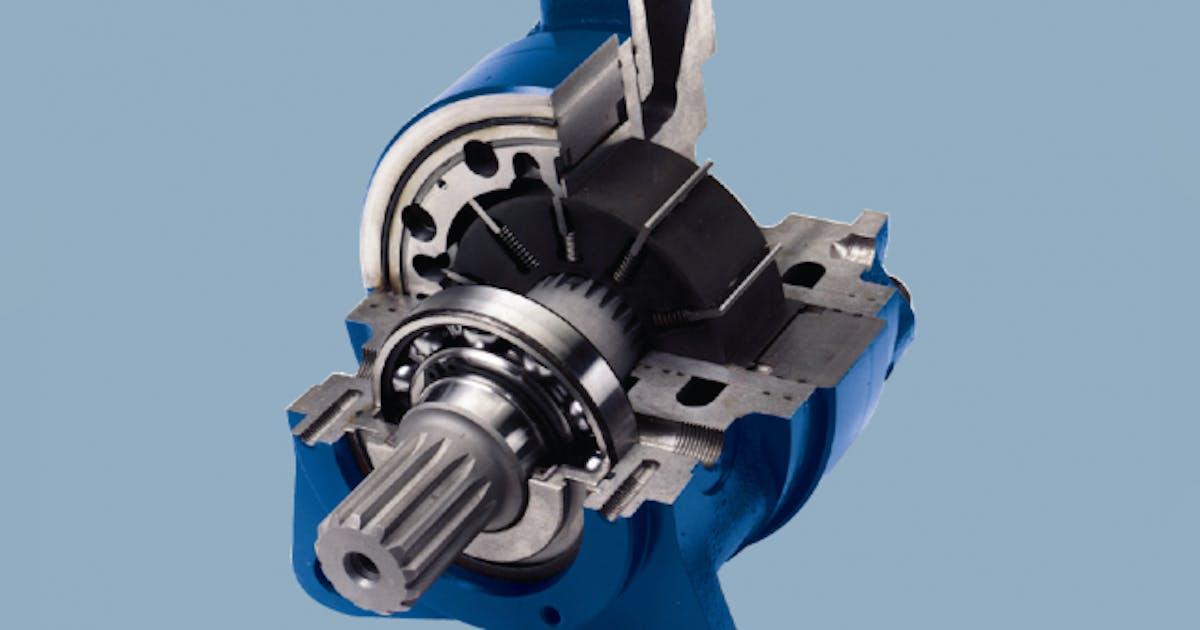
Heavy-duty motors typically rely on:
- High-strength alloy steel housings to resist deformation under pressure spikes
- Reinforced internal rotating components to handle continuous load stress
- Advanced sealing systems to maintain pressure stability over long operating cycles
From a design perspective, several critical factors influence performance:
- Load-bearing capacity of internal components
- Pressure tolerance under fluctuating conditions
- Resistance to fatigue during continuous operation
According to technical references from International Fluid Power Society, structural fatigue and sealing degradation are primary causes of failure in heavy-duty hydraulic systems.
Blince enhances durability through optimized geometry and material selection, ensuring that the motor maintains consistent performance under extreme conditions.
Why Choosing the Right Manufacturer Matters More in Heavy Equipment Applications
In light-duty systems, minor inefficiencies may not significantly impact performance. However, in heavy equipment, even small design flaws can lead to major operational issues.
A poorly designed hydraulic motor for heavy equipment may result in:
- Torque instability during peak load
- Rapid temperature increase
- Increased wear of internal components
- Reduced overall system efficiency
At Blince Hydraulic, we address these challenges through:
- Load-specific design optimization
- Multi-stage pressure and endurance testing
- Strict production consistency control
This ensures that each hydraulic motor for heavy equipment delivers stable performance across different operating environments.
Matching Hydraulic Motor Performance to Real Equipment Demands
Heavy equipment covers a wide range of applications, each with specific requirements.
Excavation and Earthmoving Equipment
These machines require consistent torque output under frequent load changes and harsh working conditions.
Mining Machinery
Continuous heavy loads and abrasive environments demand strong wear resistance and sealing performance.
Port Handling Equipment
Efficient lifting and movement of heavy loads require both power and smooth operation.
Construction Equipment
Long working hours and variable terrain require motors with high durability and adaptability.
Blince designs each hydraulic motor for heavy equipment based on these real application needs, ensuring performance stability rather than theoretical capability.
Performance Comparison in Real Heavy-Duty Applications
| Parameter | Standard Motor | Blince Heavy Equipment Motor |
|---|---|---|
| Torque Stability | Fluctuates under load | Stable |
| Working Pressure | 16–20 MPa | Up to 25 MPa |
| Service Life | 3000–4000 hours | 6000+ hours |
| Heat Resistance | Limited | Enhanced |
| Structural Strength | Moderate | Reinforced |
These differences directly affect equipment uptime and long-term operational cost.
Case Example: Extending Motor Life in Continuous Mining Operations
A mining operator faced repeated failures when using a standard hydraulic motor for heavy equipment in their drive system.
Observed Issues:
- Frequent torque loss under heavy load
- Overheating during long operation cycles
- Short service life
Blince Solution:
- Reinforced internal structure to improve load capacity
- Optimized sealing system to reduce internal leakage
- Adjusted motor displacement based on actual load conditions
Results:
- Significant improvement in torque stability
- Reduced operating temperature
- Extended maintenance intervals
This case highlights how a properly engineered hydraulic motor for heavy equipment can dramatically improve system reliability.
Key Factors to Consider When Selecting a Hydraulic Motor for Heavy Equipment
When evaluating options, buyers should focus on:
Load Adaptation
Is the motor designed to handle real working load conditions?
Structural Durability
Are materials and internal components reinforced for heavy-duty use?
Supplier Expertise
Does the manufacturer understand the demands of heavy equipment applications?
Blince Hydraulic integrates these factors into every hydraulic motor for heavy equipment, ensuring reliable performance in demanding environments.
Long-Term Equipment Performance Depends on the Right Hydraulic Motor Choice
In heavy-duty systems, the hydraulic motor is not just a component—it directly determines equipment efficiency and reliability. Choosing the right hydraulic motor for heavy equipment ensures stable operation, reduced downtime, and longer service life.
Blince Hydraulic focuses on delivering high-performance solutions through advanced engineering, strong materials, and application-driven design.
Explore Our Hydraulic Motor Solutions
To view available models and specifications, visit:
👉 https://www.blincehydraulic.com/products
Get Expert Support for Your Equipment
For customized solutions or technical consultation, contact our team here:
👉 https://www.blincehydraulic.com/contact-us