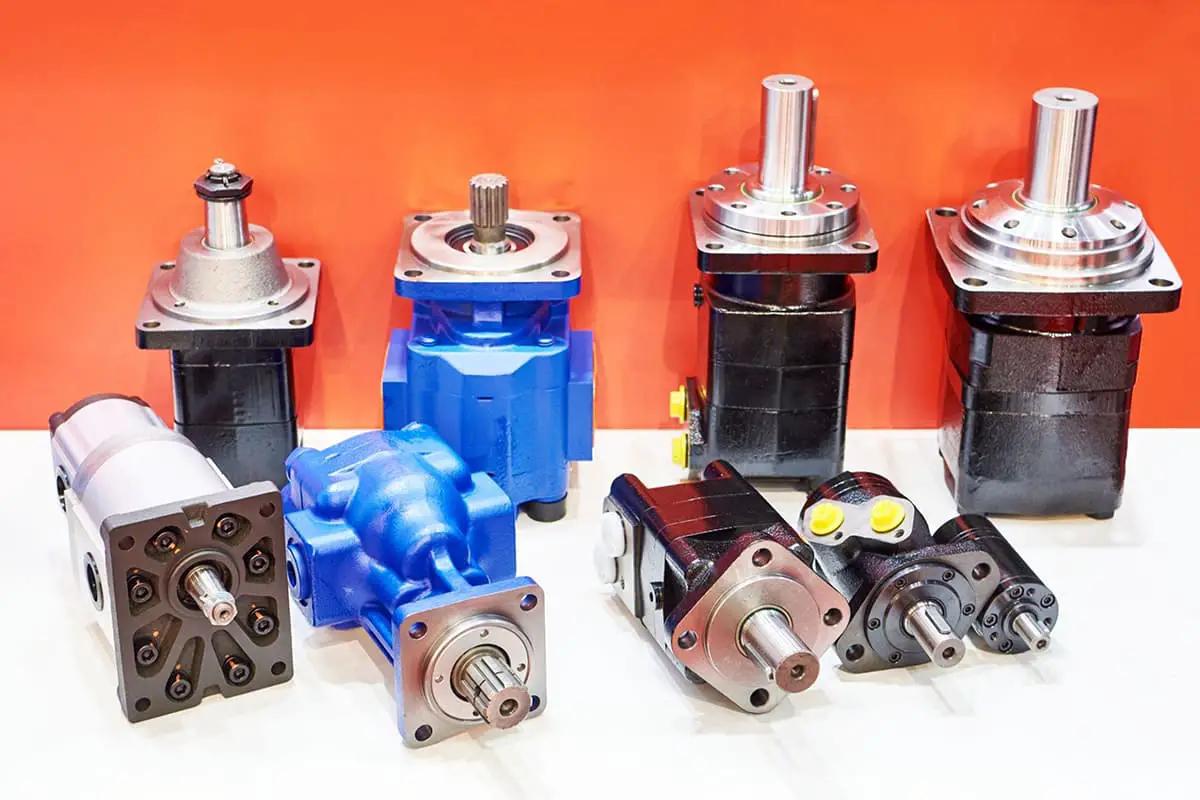



When the replacement of the hydraulic motor is unavoidable in daily operation
In industrial and heavy equipment applications, hydraulic motors need to operate continuously under load. However, many operators often wait until the hydraulic motor completely fails before replacing it. By then, the losses extend beyond the motor itself, including downtime, lost productivity, and potential system damage.
Common early warning signs are often overlooked: unstable torque, increased noise, slower response, or elevated oil temperature. These are not minor issues—they indicate internal wear or decreased efficiency. At Blince Hydraulic, we help customers identify these warning signs early and provide replacement solutions that minimize downtime and restore system performance.
Internal wear and material fatigue are the main reasons why replacement is needed.
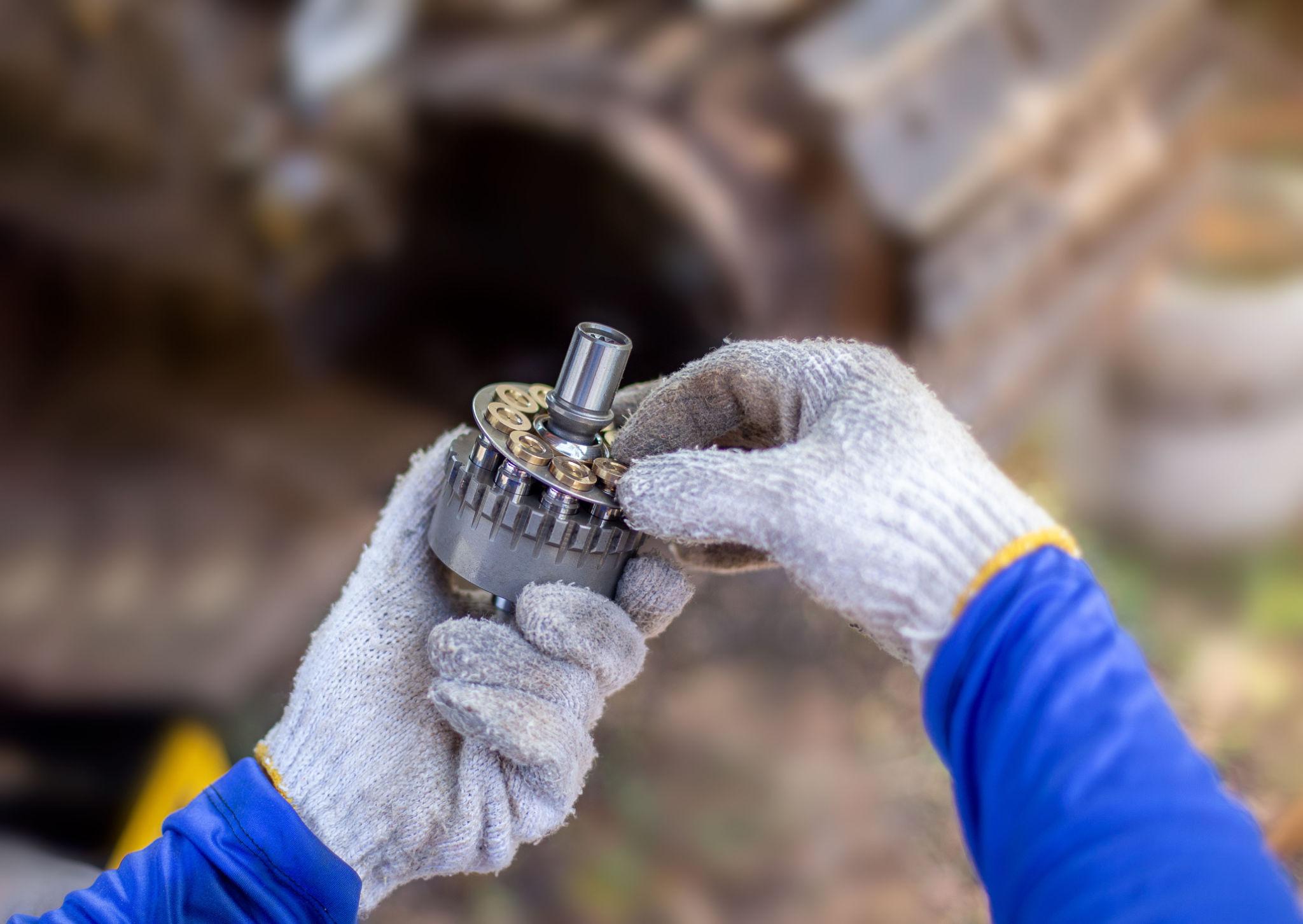
Before deciding whether to repair or replace, it is important to understand what is happening inside a worn hydraulic motor.
Over time, internal components will be affected by the following factors:
- Continuous pressure cycling can lead to material fatigue.
- Wear between rotor and stator surfaces
- Deterioration of sealing elements leads to internal leakage
These changes will reduce volumetric efficiency and torque output. Even if the motor can still run, its performance will no longer be reliable.
According to technical insights from the National Institute of Fluid Dynamics , internal leakage and wear are the main factors leading to efficiency losses in hydraulic systems.
Blince recommends that when internal wear reaches a certain level, replacement should be performed rather than temporary repair to ensure the long-term stability of the system.
Why does delayed replacement lead to higher system risks?
Many operators attempt to extend the lifespan of hydraulic motors beyond their optimal operating cycle. While this may reduce short-term costs, it often increases long-term risks.
A worn motor may cause:
- Unstable pressure within the system
- Increased heat production
- Damaged connecting parts
- Overall efficiency decreased
Under heavy loads, these problems can worsen rapidly. Blince Hydraulic focuses on providing replacements that fully restore system performance, rather than temporary fixes.
Select a suitable replacement motor based on actual application conditions.
Replacing a hydraulic motor is not simply a matter of selecting the same model; it also requires an assessment of the actual operating conditions.
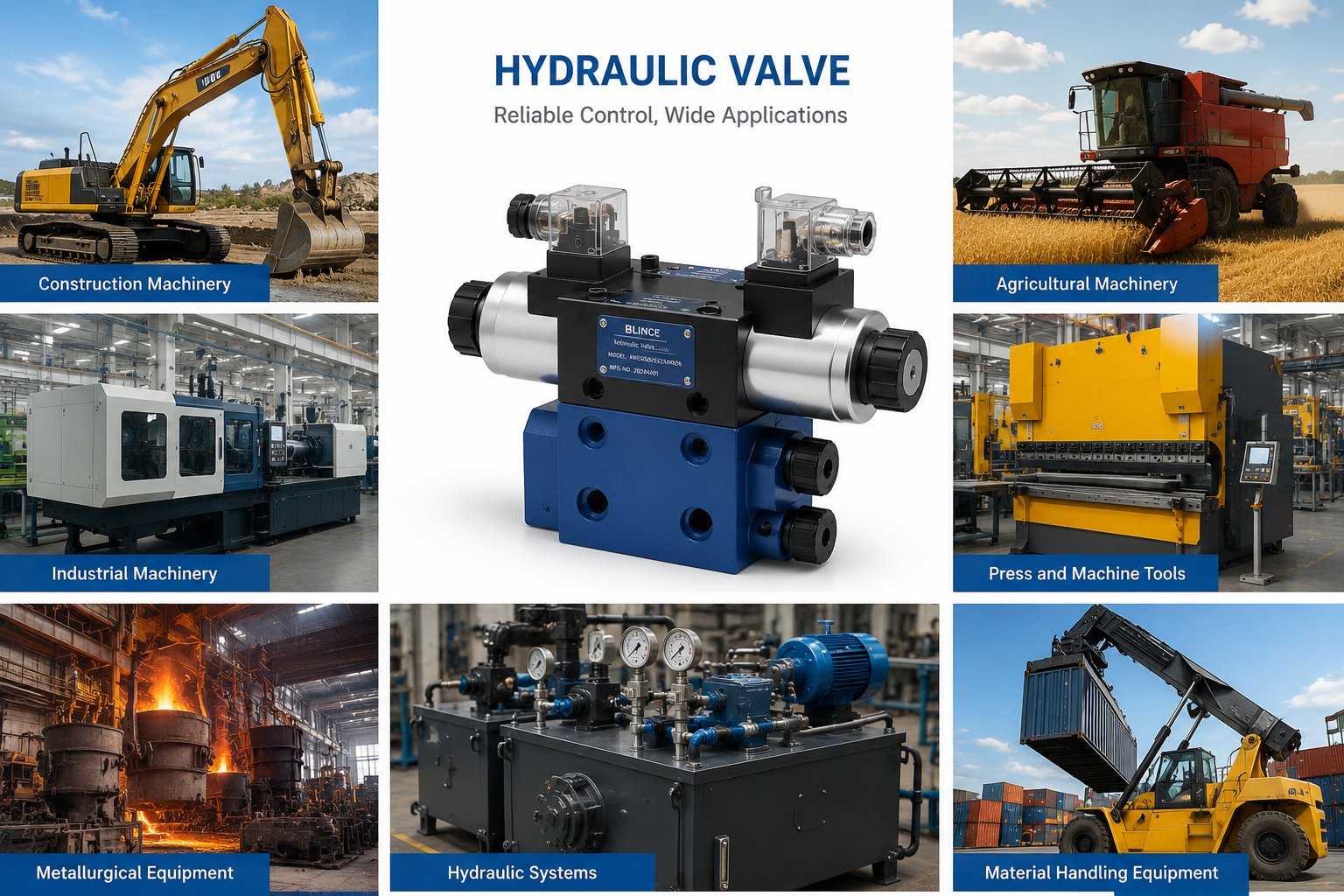
construction machinery
The replaced motor must be able to maintain its performance without degradation under high load and shock conditions.
Mining System
Durability and abrasion resistance are crucial because they are required to perform heavy-duty operations continuously.
Material handling equipment
Smooth operation and precise control are key to maintaining system efficiency.
Industrial machinery
Continuous production requires products with stable performance and long service life.
Blince ensures that each replacement motor is selected or customized based on actual operating conditions, not just the original specifications.
Performance Comparison: Worn Motor vs. Correctly Replaced Motor
| scope | Worn motor | Brins replacement motor |
|---|---|---|
| Torque output | reduce | Restored |
| Internal leak | high | controlled |
| efficiency | low | optimization |
| Heat generation | high | reduce |
| reliability | Unstable | stable |
Replacing the system at the right time can significantly improve system performance and reduce risk.
Case Study: Preventing Construction Equipment Downtime
A construction machinery operator experienced repeated system outages due to a decline in motor performance.
Observed problems:
- Torque reduction under load
- System temperature rise
- Irregular movement behavior
Brins' solution:
- The worn motor was replaced with an optimized high-torque model.
- Improved sealing systems reduce leakage.
- Adjust the displacement to meet the load requirements.
result:
- System performance has been restored.
- Downtime significantly reduced
- Extended maintenance cycle
This case highlights how timely replacement of the hydraulic motor can prevent larger system failures.
Key indicators for hydraulic motor replacement
When assessing whether to replace the motor, please consider the following factors:
declining performance
Does the torque output decrease when the load increases?
Temperature rise
Is the system operating temperature higher than normal?
Noise and vibration
Are there any unusual sounds or unstable vibrations?
Maintenance frequency
Is the frequency of repairs increasing?
Blince Hydraulic helps clients identify these signs early and choose the right replacement strategy.
Timely replacement is key to ensuring long-term system stability.
Replacing a hydraulic motor is not merely maintenance; it is a crucial step in maintaining system efficiency and reliability. Delaying replacement increases risk, while choosing the right solution can improve performance and reduce long-term costs.
Blince Hydraulic provides a reliable replacement solution designed for real-world working conditions, ensuring stable performance and long service life.
Explore alternatives
👉 https://www.blincehydraulic.com/products