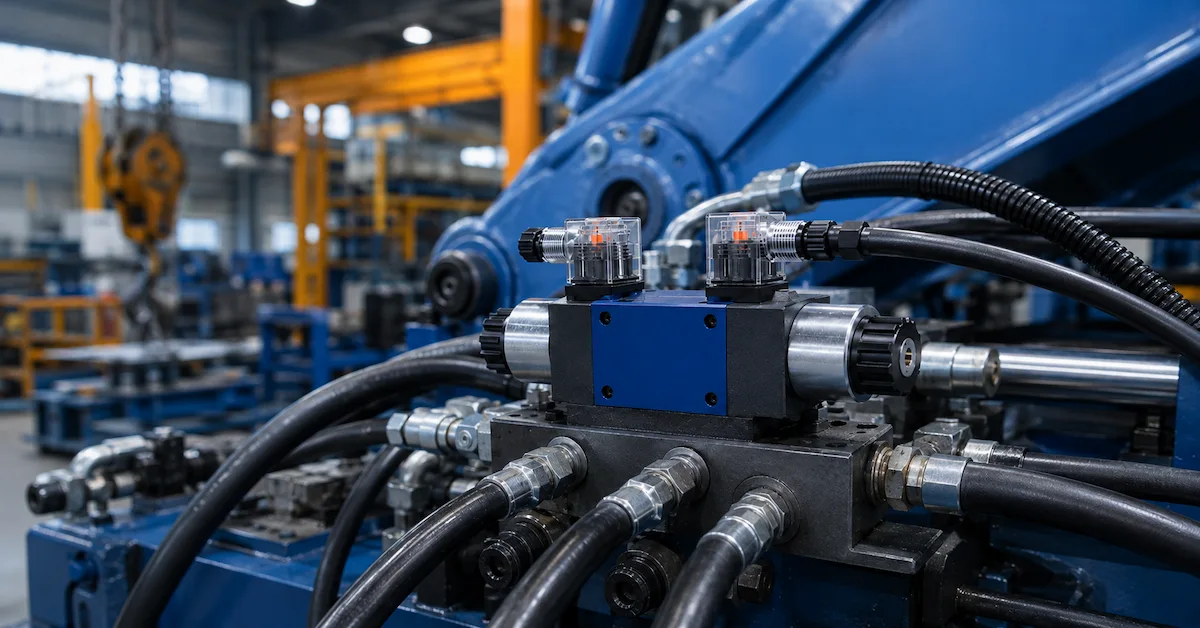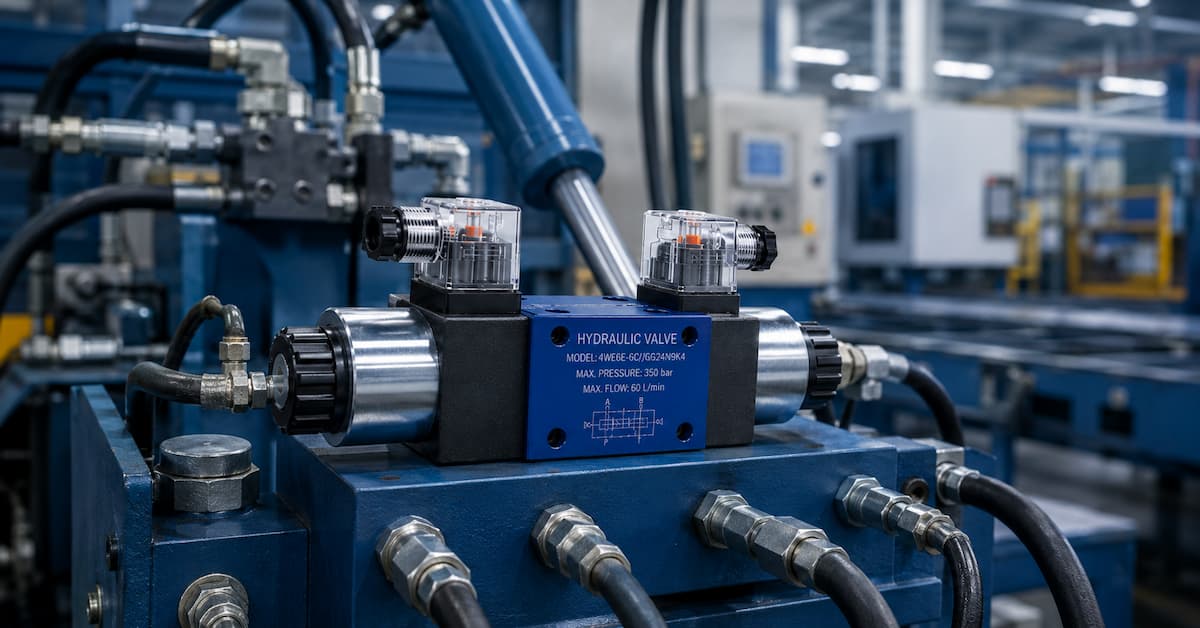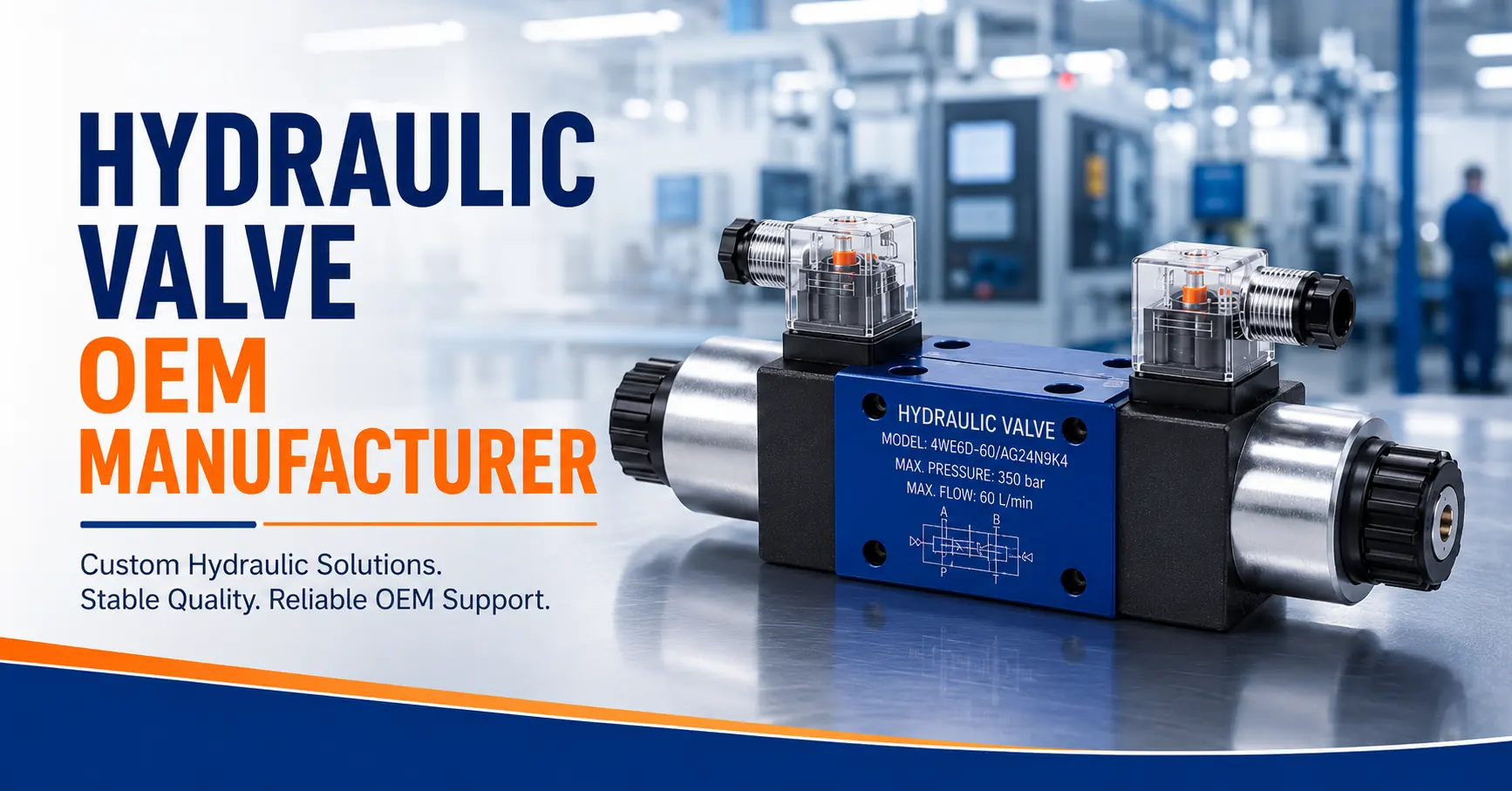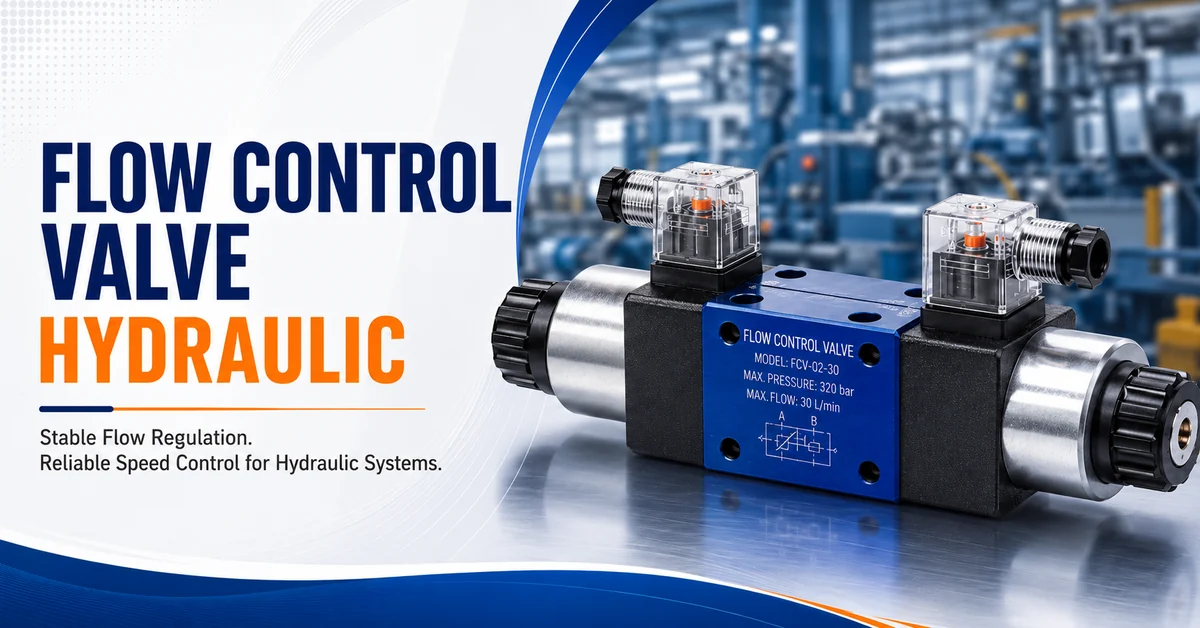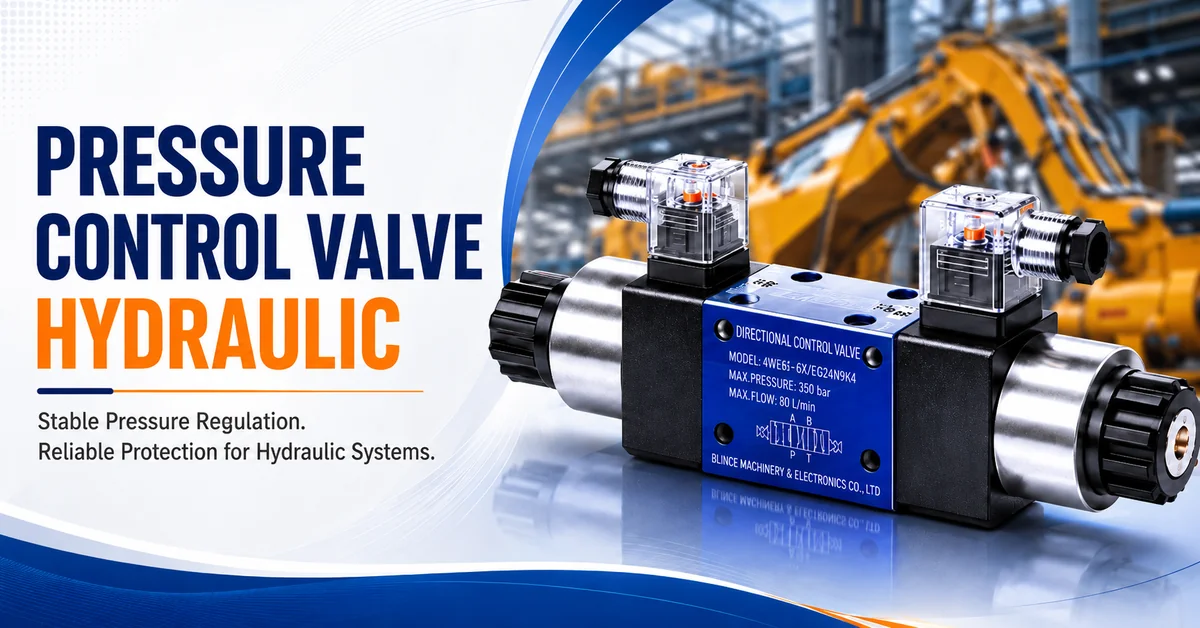



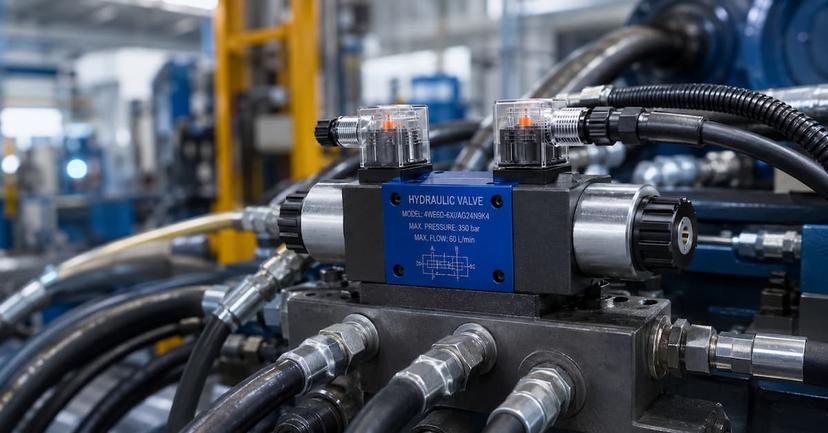
A hydraulic valve for machinery is one of the most important control components in a hydraulic system. It decides how hydraulic oil moves, how pressure is protected, how actuator speed is adjusted, and how equipment responds under load.
For machinery OEMs, hydraulic distributors, maintenance companies, and project buyers, choosing the right hydraulic valve is not only a spare parts decision. It directly affects machine safety, movement stability, system efficiency, downtime risk, and long-term maintenance cost.
BLINCE supplies hydraulic valves as part of its complete hydraulic product range, supporting customers who need valves, motors, pumps, cylinders, coolers, hoses, fittings, steering control units, and hydraulic system solutions.
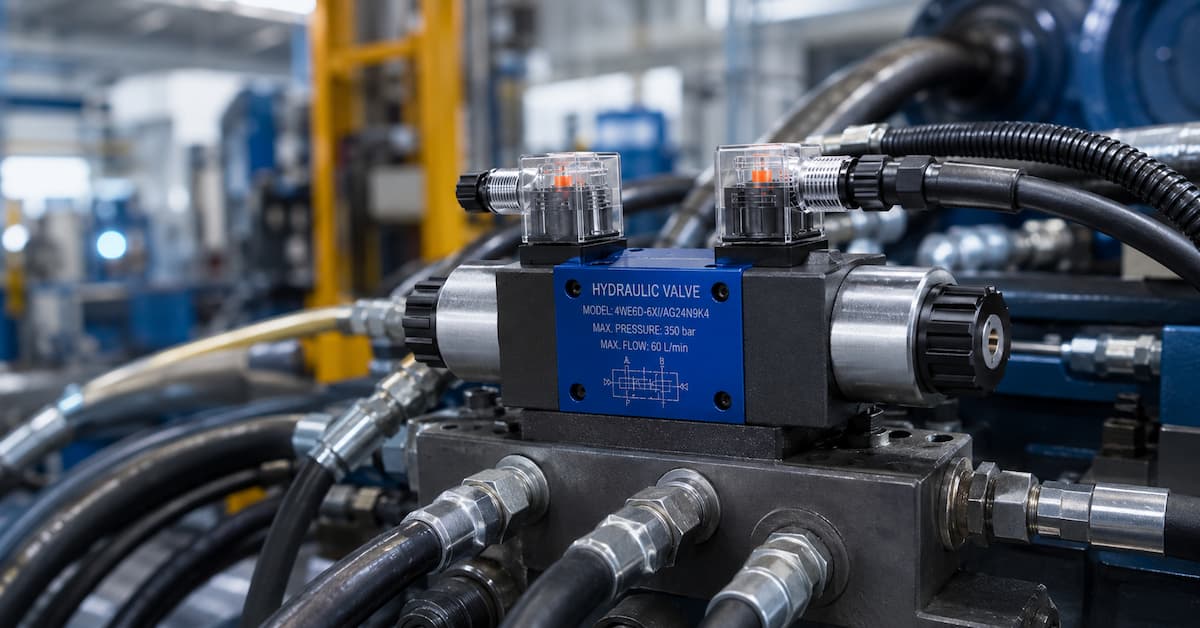
What Does a Hydraulic Valve Do in Machinery?
A hydraulic valve controls oil in three main ways:
- Direction control: sends oil to the correct actuator port
- Pressure control: protects the system from overload
- Flow control: adjusts actuator speed and movement stability
In machinery, these functions are used to control cylinders, hydraulic motors, lifting systems, steering systems, clamping devices, pressing systems, conveyors, and auxiliary equipment.
A suitable hydraulic valve helps the machine move smoothly, respond correctly, and stay protected under pressure.
Common Machinery Problems Caused by the Wrong Hydraulic Valve
Many buyers search for a hydraulic valve for machinery because their equipment already has performance problems. Common issues include:
- Cylinder movement is too fast, too slow, or unstable
- Hydraulic motor cannot rotate smoothly
- Pressure rises too high during heavy load
- Oil leakage appears around ports or seals
- Valve response becomes slow after long use
- System overheats during continuous operation
- Replacement valve does not match the old model
- Port thread or mounting size is incorrect
These problems often come from poor valve matching, weak machining accuracy, wrong pressure or flow rating, incorrect spool type, or lack of technical support from the supplier.
That is why buyers should confirm technical parameters before ordering instead of selecting only by appearance or price.
Main Hydraulic Valve Types for Machinery
Different machines require different valve functions.
| Valve Type | Main Function | Common Machinery Use |
|---|---|---|
| Directional Control Valve | Controls oil flow direction | Cylinder extension, motor forward/reverse |
| Pressure Control Valve | Regulates or limits pressure | Pump protection, overload safety |
| Flow Control Valve | Controls oil flow volume | Speed control for cylinders and motors |
| Modular Valve | Combines multiple functions | Industrial hydraulic circuits |
| Proportional Valve | Provides variable control | Automated machinery and precision systems |
| Check Valve | Allows one-way oil flow | Pressure holding and circuit protection |
For example, construction machinery often needs directional and pressure control valves. Material handling equipment may require flow control valves for smooth lifting. Industrial machines may need modular valves or proportional valves for more precise movement.
Key Parameters Buyers Should Confirm
Before choosing a hydraulic valve, prepare the following information:
| Parameter | Why It Matters |
| Working Pressure | Confirms whether the valve can handle system load |
| Flow Rate | Affects actuator speed and valve size |
| Valve Function | Determines whether you need directional, pressure, or flow control |
| Port Thread | Prevents leakage and connection mismatch |
| Mounting Size | Ensures installation compatibility |
| Actuation Method | Manual, solenoid, hydraulic pilot, or proportional control |
| Voltage | Required for solenoid or electric control valves |
| Oil Temperature | Affects seal life and valve response |
| Working Environment | Dust, vibration, heat, humidity, or salt spray |
| Existing Model | Helps replacement matching |
If you are not sure which valve is suitable, BLINCE provides technical support for product selection, installation guidance, troubleshooting, and hydraulic component matching.
Common Applications of Hydraulic Valves in Machinery
Hydraulic valves are widely used in different machinery industries.
Construction Machinery
Excavators, loaders, cranes, pavers, compactors, and drilling machines use hydraulic valves to control boom movement, steering, auxiliary tools, lifting, and pressure protection.
Agricultural Machinery
Harvesters, tractors, and agricultural attachments need hydraulic valves for steering, lifting, header adjustment, and stable seasonal operation.
Industrial Equipment
Press machines, shearing machines, forming equipment, rubber and plastic processing equipment, and production lines require hydraulic valves for repeatable motion and pressure control.
Port and Offshore Machinery
Port cranes, winches, deck machinery, and offshore platforms need hydraulic valves that can handle heavy load, humidity, vibration, and outdoor working conditions.
Material Handling
Forklifts, lifting platforms, conveyors, and loading equipment require smooth and safe actuator movement.
You can view more machinery scenarios on the BLINCE applications page.
Why Choose BLINCE for Hydraulic Valves?
BLINCE supports global customers with hydraulic valves and related hydraulic components for machinery applications. For buyers who need reliable supply, BLINCE offers:
- Wide hydraulic product coverage
- Directional, pressure, and flow control valve support
- OEM and replacement matching
- Technical support before ordering
- Manufacturing and quality control capability
- Support for pumps, motors, cylinders, hoses, fittings, and coolers
- Suitable solutions for construction, agriculture, industrial, port, offshore, tunneling, and material handling machinery
Buyers can also review BLINCE’s manufacturing capabilities and certificates before starting long-term cooperation.
What Should You Send for a Fast Quotation?
To get a faster recommendation for a hydraulic valve for machinery, send the following details:
| Required Information | Example |
| Machine Type | Excavator, harvester, press machine, crane, forklift |
| Valve Type | Directional, pressure, flow, modular, proportional |
| Working Pressure | Rated and peak pressure |
| Flow Rate | L/min or GPM |
| Port Thread | BSP, NPT, Metric, SAE |
| Mounting Size | Drawing or measured dimensions |
| Actuation Method | Manual, solenoid, pilot-operated |
| Voltage | 12V, 24V, 110V, 220V |
| Old Valve Info | Model, nameplate, photos |
| Quantity | Sample order, batch order, annual demand |
You can send drawings, valve photos, equipment model, pressure, flow rate, port standard, and quantity through the BLINCE contact page.
FAQ
1. What is a hydraulic valve for machinery?
A hydraulic valve for machinery controls hydraulic oil direction, pressure, or flow to operate cylinders, motors, steering systems, lifting systems, and other actuators.
2. How do I choose the right hydraulic valve?
You should confirm valve function, working pressure, flow rate, port thread, mounting size, actuation method, voltage, application environment, and existing model information.
3. Can BLINCE provide replacement hydraulic valves?
Yes. BLINCE can help match replacement hydraulic valves based on old valve photos, nameplate information, mounting dimensions, pressure, flow rate, and port standards.
4. Can BLINCE support OEM hydraulic valves?
Yes. BLINCE supports OEM hydraulic valve supply, custom requirements, product matching, and hydraulic component selection for machinery projects.
5. Which machinery uses hydraulic valves?
Hydraulic valves are used in construction machinery, agricultural machinery, industrial equipment, sheet metal machinery, cement machinery, port machinery, offshore equipment, tunneling equipment, and material handling systems.
Conclusion
A hydraulic valve for machinery directly affects equipment movement, pressure safety, speed stability, and system reliability. The right valve should match the machine’s pressure, flow, function, port standard, mounting layout, and working environment.
For OEM buyers, distributors, repair companies, and project teams, BLINCE can support hydraulic valve selection, replacement matching, OEM supply, and complete hydraulic component solutions.
To get a fast quotation, send your machine model, valve photos, working pressure, flow rate, port thread, mounting size, drawings, and quantity to BLINCE. A properly selected hydraulic valve can reduce downtime, improve system stability, and support long-term machinery performance.